


Kenyan clean-cooking company Koko Networks has shut down its operations and laid off its entire workforce of about 700 employees after the government blocked its sale of carbon credits.
The decision was made on Friday following two days of emergency meetings at the company’s Nairobi offices. According to a board member and an employee who spoke on condition of anonymity, the shutdown came after the government declined to issue a letter of authorisation (LOA), a key approval that allowed Koko to sell carbon credits abroad.
Without the approval, the company said it could no longer sustain its business model. The Financial Times reported that Koko was facing bankruptcy after failing to secure government approval to trade carbon credits. Staff were informed on Friday that operations had ceased immediately and were told not to report to work the following day.
“It has been two days of intense discussions,” a board member said. “Selling carbon credits is central to our business, and without it, bankruptcy was inevitable.”


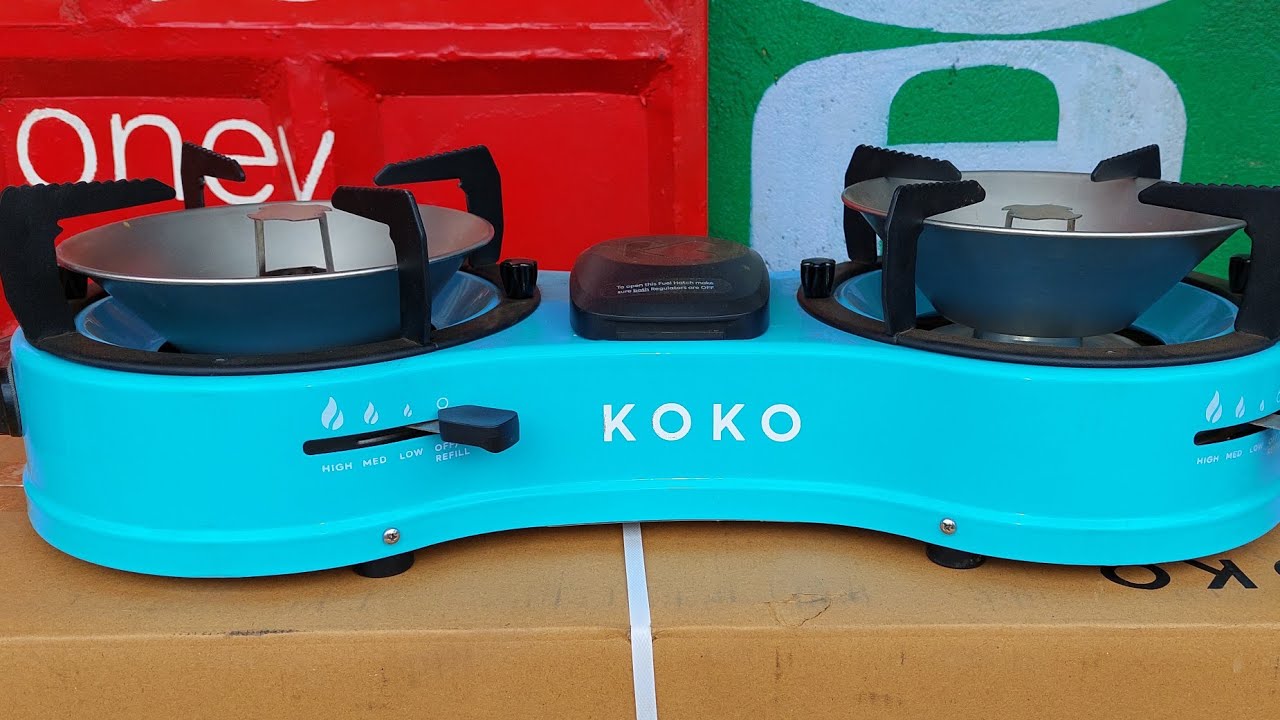
Koko’s closure is expected to affect about 1.5 million households that relied on its subsidised clean cooking fuel. The company sold bioethanol and cooking stoves at highly reduced prices to low-income families, helping them move away from polluting fuels such as charcoal and kerosene.
The startup sold a litre of bioethanol at Sh100, compared to the market price of about Sh200. Its cooking stoves were sold at Sh1,500, far below the market price of about Sh15,000. These subsidies were funded mainly through revenue from carbon credit sales in international markets.
With that income now cut off, insiders said the company could no longer continue operations. Koko also worked with thousands of agents and operated more than 3,000 automated fuel dispensing machines across the country.
The shutdown comes just a year after Koko secured a Sh23.18 billion ($179.64 million) guarantee from the World Bank through its Multilateral Investment Guarantee Agency. The guarantee was meant to support the company’s expansion and protect it from political and operational risks.
At the time, Koko had planned to add three million more customers in Kenya by the end of 2027, supporting the government’s goal of expanding access to clean cooking fuels.
Founded in 2013 by Greg Murray, Koko Networks aimed to reduce deforestation and pollution caused by widespread charcoal use. The company had raised more than $100 million in debt and equity from investors, including international banks and climate-focused funds.
About The Author