


Universities in the United Kingdom are facing growing criticism over financial decisions that critics say could damage the country’s international reputation for higher education.
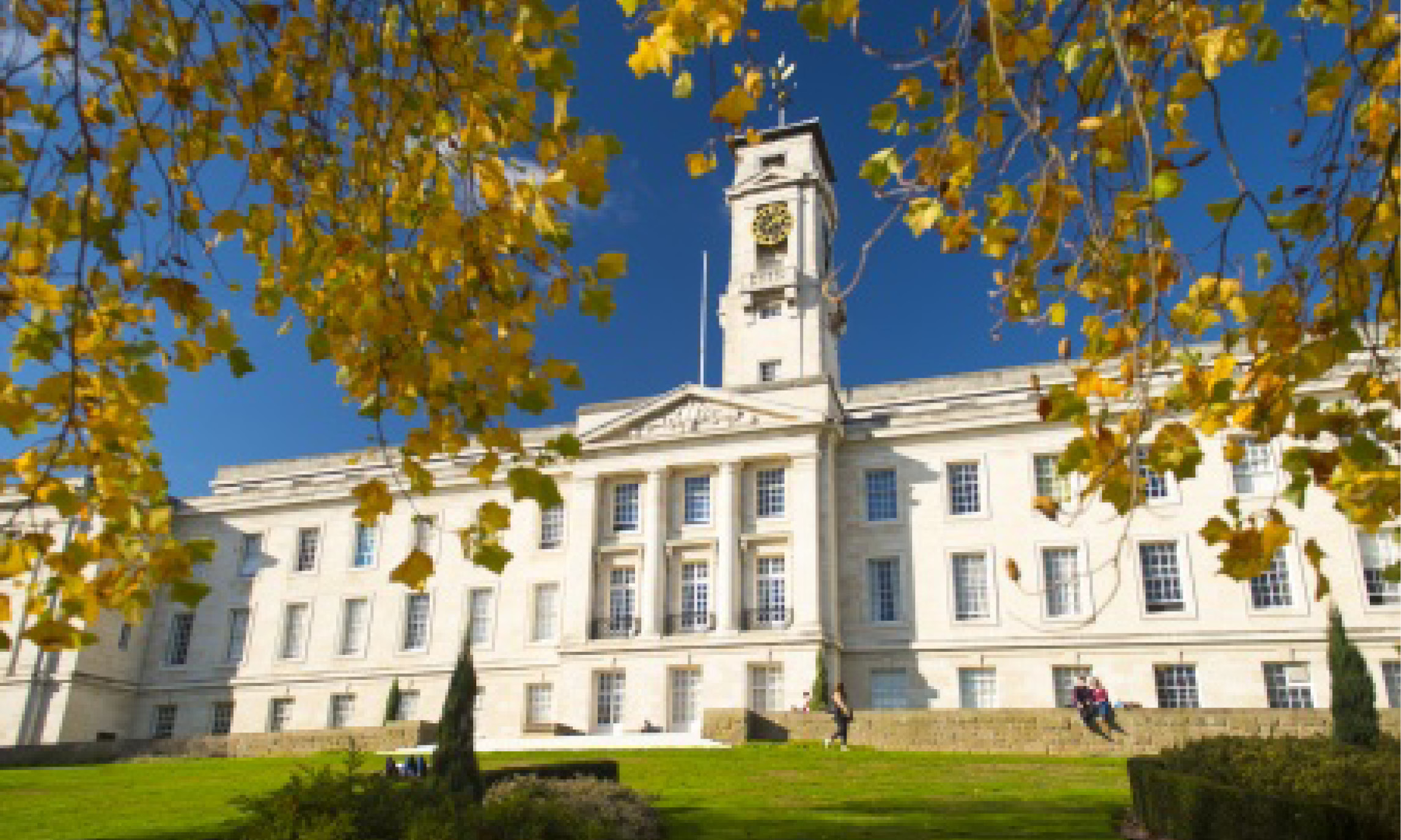
One of England’s leading Russell Group institutions, the University of Nottingham, has confirmed that it may sell its newly developed city centre campus at a loss of tens of millions of pounds. At the same time, concerns are rising about a sharp increase in international students enrolled in certain postgraduate research programmes at other universities, seen by some as a way to bypass immigration restrictions.
Nottingham campus faces major loss
The University of Nottingham spent more than £77 million buying and developing its Castle Meadow city centre campus, including £37.5 million to purchase former government offices in 2021 and over £40 million on redevelopment. However, the university has now put the site up for sale at a much lower value.
According to its financial statements for the year ending July 31, 2025, the university has written down the value of the Castle Meadow and King’s Meadow sites by £74.8 million. This turned a small operating surplus into an overall deficit of £85.3 million, after restructuring costs that included job losses and course closures.
Local media have reported that the campus could sell for as little as £14.4 million, prompting anger from staff and unions.
Vice-Chancellor Professor Jane Norman, who took office in January 2025, said the project was planned at a time when the university expected to grow, but financial conditions have since changed sharply.
“The financial landscape for Nottingham and the wider university sector has changed dramatically,” she said, adding that the write-down was an accounting adjustment based on updated valuations.
Job cuts and course suspensions spark backlash
The University and College Union (UCU) had earlier described the campus as a “vanity project” and said management ignored warnings about financial risks. The union argues that current plans will increase staff workloads and harm teaching quality and research output.
The university has also announced the suspension of recruitment to several courses, including modern languages and music, as well as some nursing programmes. Critics say these cuts could weaken the institution’s academic standing.
Concerns over international student recruitment
Separately, education experts are raising alarms over a surge in international students enrolling in Master of Research (MRes) programmes at some UK universities. These courses are not covered by a government ban that prevents most international master’s students from bringing dependants to the UK.
Data obtained by Times Higher Education shows that the University of Greater Manchester increased international enrolment in its MRes programmes from just 24 students in 2021–22 to 1,748 in 2025–26. Another institution, York St John University, recorded a jump from one MRes student to 387 over a similar period.
Critics say the rapid growth raises questions about academic quality and whether some institutions are using these programmes to attract students seeking immigration advantages.
Warnings from sector leaders
Senior university leaders have warned that such practices could draw tougher action from the government. Dr Adam Tickell, Vice-Chancellor of the University of Birmingham, said the sector risks being seen as exploiting loopholes in immigration rules.
Former government adviser Dr Diana Beech also warned that a surge in short research degrees could damage the UK’s global reputation and attract scrutiny from the Home Office.
“The pace of growth raises real concerns about student support and supervision,” she said, while noting that financial pressure is pushing some universities into risky strategies.
Funding pressures across the sector
Universities UK, which represents university leaders, said institutions are under severe strain due to years of frozen tuition fees for domestic students, rising inflation and uncertainty over future international student income.
A recent report by the Institute for Fiscal Studies showed that spending on higher education teaching in England has fallen by 22% in real terms since 2010, adding to financial pressure across the sector.
About The Author