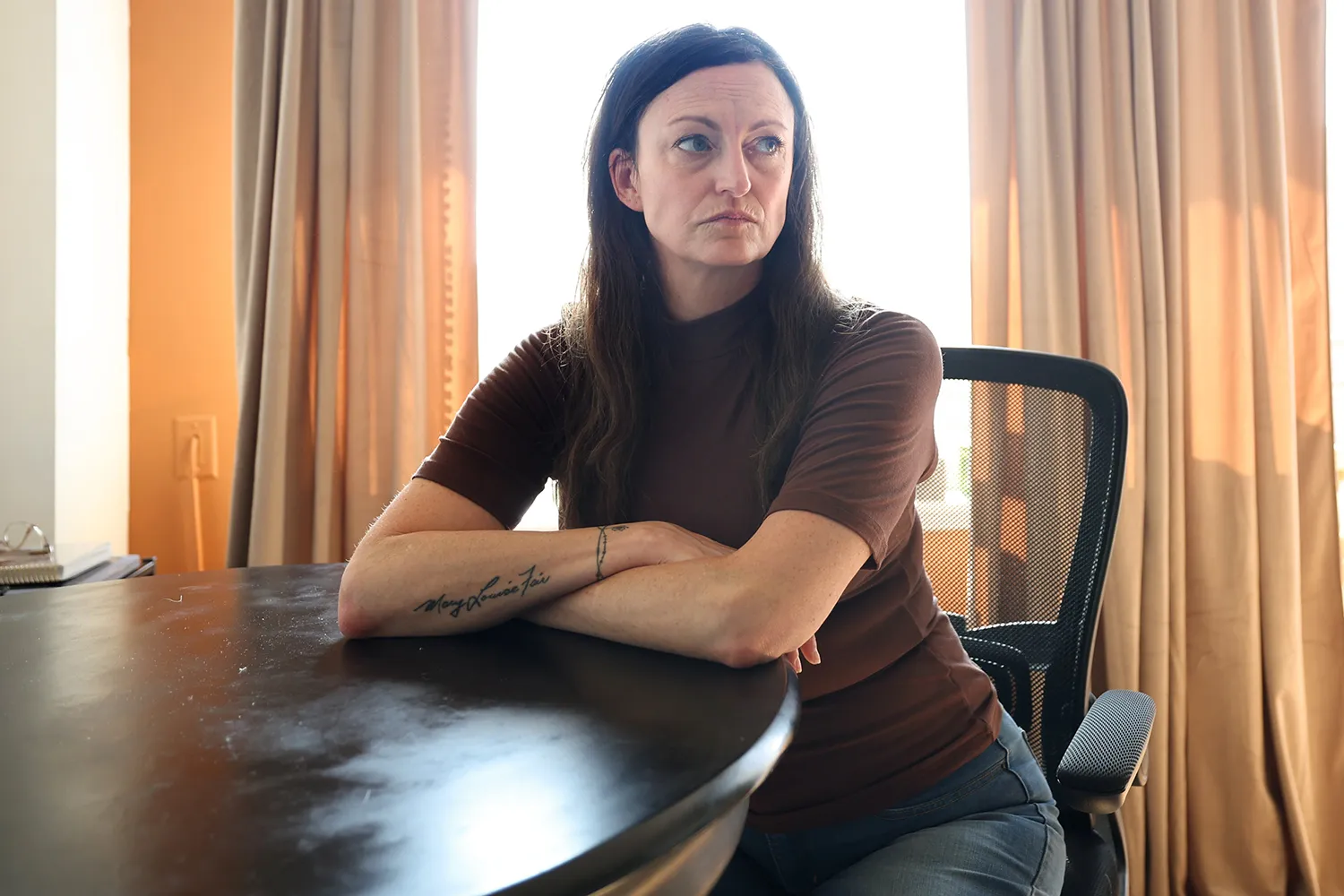
A Canadian actress and comedian has shared her deeply personal struggle with mental illness and her wish to access medical aid in dying after decades of treatment with little relief.
Claire Brosseau, 48, told The New York Times that her mental health challenges began in her early teens. At age 14, after a period marked by substance abuse, her parents sought professional help, leading to a diagnosis of manic depression. That diagnosis was followed by many others over the years, including eating disorders, anxiety, personality disorder, substance-use disorder, and chronic suicidal ideation.
Over the past three decades, Brosseau says she has pursued extensive treatment options, including more than 25 medications, psychiatric care, multiple therapeutic approaches, and guided psychedelic therapy. Despite these efforts, she says her suffering has remained constant.
In an open letter published on her Substack last year, Brosseau described the severity of her condition and revealed that she has survived several suicide attempts. “I can’t even speak about the real horrors of my situation, because I could be put in the hospital,” she wrote.
Seeking MAID Amid Legal and Ethical Debate
Brosseau has said her ongoing distress has led her to seek medical aid in dying (MAID), a program introduced in Canada in 2016. She applied in 2021, but current legislation limits eligibility to those with serious and incurable physical illnesses. While Brosseau continues to face profound mental health challenges, she is otherwise physically healthy.
An expansion of Canada’s MAID law that would include individuals whose sole underlying condition is mental illness is currently scheduled to take effect in March 2027. Brosseau has said she does not believe she can endure that long.
“Every day I don’t know if I’ll get through the day,” she told the newspaper.
ALSO READ: Tom Hiddleston and Zawe Ashton Welcome Second Child
The issue remains the subject of intense public, legal, and medical debate in Canada, particularly around safeguards and long-term treatment possibilities for psychiatric conditions.
Divided Medical Opinions
Brosseau’s psychiatrists hold differing views on her decision. Dr. Mark Fefergrad acknowledged the severity of her suffering but expressed hope for recovery. “I believe she can get well,” he told The New York Times. “I don’t think MAID is the best or only choice for her.”
Another psychiatrist, Dr. Gail Robinson, described Brosseau’s position as understandable, while still expressing personal hope for a different outcome. “I would love her to change her mind,” Robinson said. “I would hope that she would not have to do this. But I will support her.”
Facing an Uncertain Future
If approved for MAID, Brosseau says she hopes to be surrounded by loved ones, including family members, her psychiatrists, and her dog, Olive. She added that she would prefer to say her goodbyes beforehand, asking them to wait in another room during the procedure.
“And it’s been too much already,” she said. “It’s enough.”
About The Author