

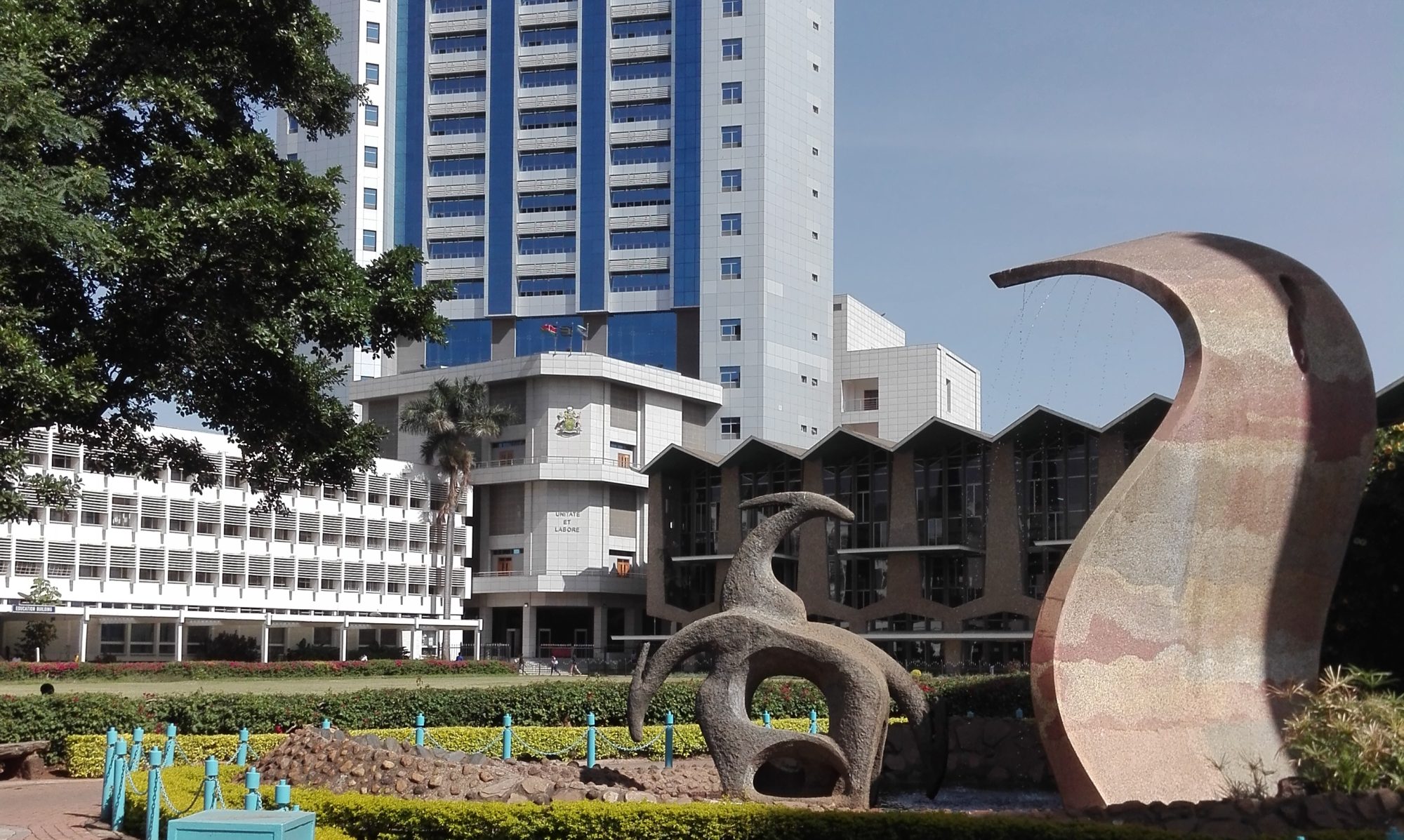
The University of Nairobi has officially appointed Dr. Ayub Njoroge Gitau as its new Vice-Chancellor, bringing an end to a prolonged leadership transition that has stretched over several years.
His appointment was confirmed following a special University Council meeting held on Thursday, May 14, 2026, which deliberated on key leadership changes at the institution.
In a statement, the Council announced that Gitau had been approved to serve as the 9th Vice-Chancellor of the University of Nairobi after hours of deliberations.
“The University of Nairobi Council, following consultations in a special sitting held on Thursday, May 14, 2026, has announced key leadership appointments ushering in a new era for the institution,” the statement read.
The Council said the appointments are aimed at strengthening governance, enhancing academic excellence and driving institutional transformation at Kenya’s premier university.
In the same meeting, the Council also approved Professor Josiah Omollo Aduda as the new Deputy Vice-Chancellor in charge of Finance, Planning and Development.
The Council further recognised Professor Margaret Jesang Hutchinson for her service as Acting Vice-Chancellor during the transition period, commending her leadership and dedication.
Dr. Gitau assumes office at a time when the institution is grappling with financial challenges, governance concerns, and ongoing questions over staff welfare and student welfare services.
His appointment comes a month after the University of Nairobi Chapter of the Universities Academic Staff Union (UASU) raised concerns over the prolonged absence of substantive leadership at the institution.
In April, the staff union noted that all senior leadership positions — including the Vice-Chancellor and Deputy Vice-Chancellors — had been held in acting capacities since September 2024, warning that the situation had undermined institutional stability and effective management.
The university has in recent years faced turbulence following the controversial removal of former Vice-Chancellor Professor Stephen Kiama, a development that deepened leadership uncertainty within the institution.
About The Author
