
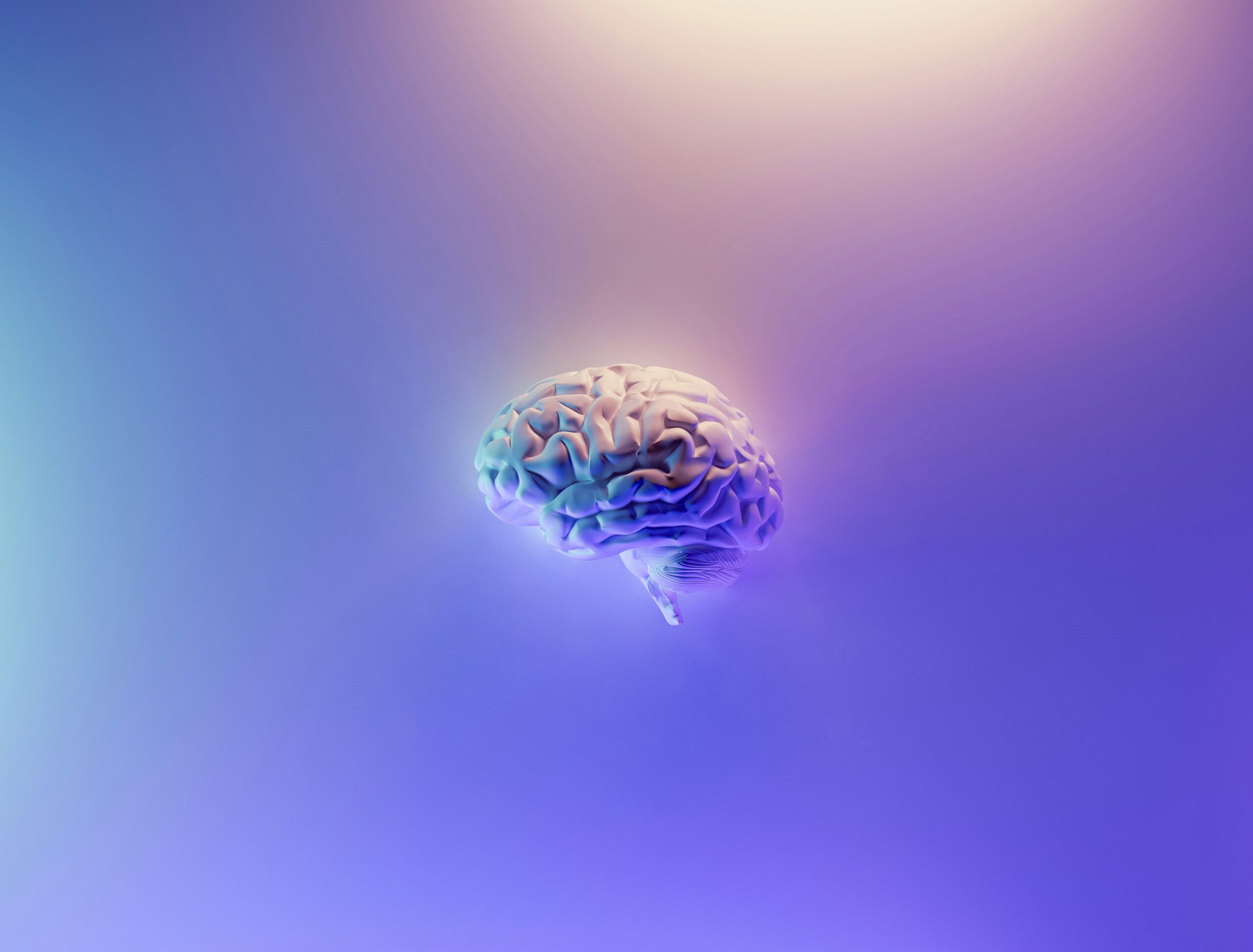
Researchers have discovered that the brain can reactivate memories even when we are not consciously aware of them, suggesting that forgotten memories may still persist in the mind.
Scientists from the University of Nottingham’s School of Psychology used Magnetoencephalography (MEG) to track brain activity and show how memories can resurface without reaching conscious awareness. Their findings have been published in the Journal of Neuroscience.
The study focused on neural oscillations, or rhythmic electrical activity in the brain, which are essential for forming, storing, and retrieving memories. Different types of brain waves, including alpha and beta bands, play a key role in memory processing and helping the brain focus on relevant signals while filtering out background activity.
Participants in the study completed a paired-associates task, where they were asked to link a video with a word. Later, they were shown the words and asked to recall the corresponding videos. MEG measured brain activity throughout the experiment. A machine learning algorithm was used to detect whether the brain could reactivate the memory of a video, even when the participant failed to consciously recall it.
The results showed that memories were reactivated in the brain regardless of whether they were consciously remembered. However, when a memory was successfully recalled, the signal in the alpha band was more rhythmic, which helped it stand out from other neural activity.
Dr. Benjamin Griffiths, who led the study, explained: “Even when the brain reactivates the right memory, it doesn’t guarantee you’ll become aware of it. What matters is that the memory pulses rhythmically so it can be detected above the background noise. Think of it like a football stadium—if everyone is chatting, you can’t hear the chant, but if everyone sings in unison, it becomes clear. We believe a similar process happens in the brain during memory recall.”
The researchers also found that overall alpha activity in the brain’s sensory areas decreases during these memory pulses, which helps the signal become more noticeable. Griffiths added, “It’s like the background chatter in the stadium dying down, allowing even a small chant to be heard clearly.”
ALSO READ: Lisa Mann Confirmed as Permanent Vice-Chancellor and CEO of Arts University Bournemouth
About The Author