

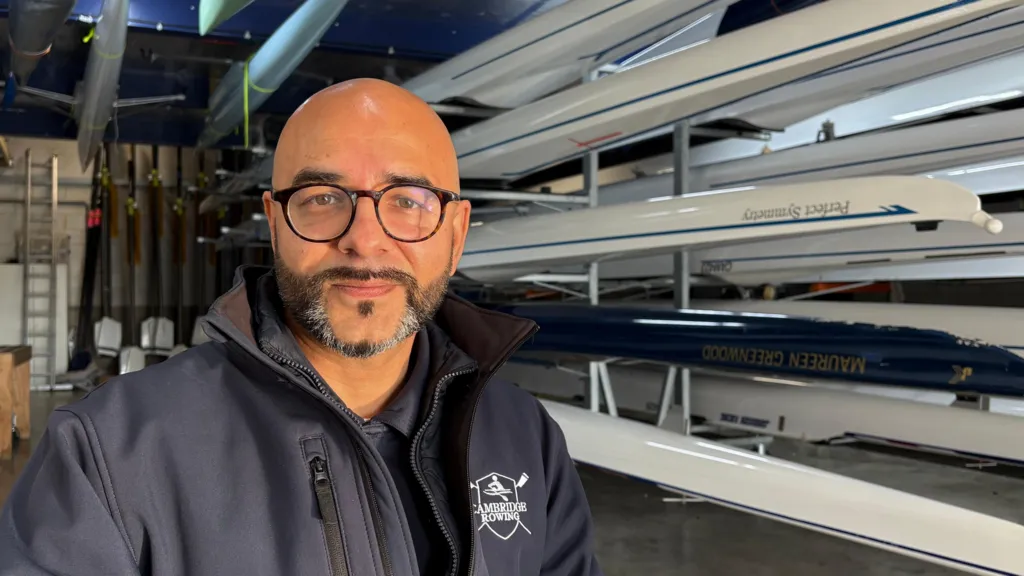
Cambridge Rowing was founded in 2021 by Omar Terywall and operates on the River Cam under the name Cambridge Rowing Experience.
The University of Cambridge has won a legal challenge to block a local rowing company from trademarking a name that includes the word “Cambridge,” in a case that highlights the reach of intellectual property protections held by major global institutions.
The ruling by the United Kingdom’s Intellectual Property Office (IPO) prevents Cambridge Rowing Limited, a company based in the historic university city, from registering its logo as a trademark. The university argued that allowing the trademark would unfairly benefit from, and potentially damage, its long-established global reputation.
Cambridge holds registered trademarks over the word “Cambridge” in specific commercial contexts, giving it the right to prevent its use where confusion or reputational harm could arise.
Cambridge Rowing was founded in 2021 by Omar Terywall and operates on the River Cam under the name Cambridge Rowing Experience. The company says it has introduced more than 5,000 beginners to rowing.
In January 2022, Terywall applied to trademark the company’s logo, but the application was opposed by The Chancellor, Masters and Scholars of the University of Cambridge, the university’s governing body.
During a hearing in July 2025, lawyers for the university argued that the rowing company’s logo — which features crossed rowing blades, a shield, and the company’s name — could be interpreted as suggesting a connection to the university.
In a written decision, IPO hearing officer Rosie Le Breton said there was a “likelihood of confusion” between Cambridge Rowing and services offered by the university. She concluded that the rowing company would gain an unfair commercial advantage from the university’s long-standing investment in its international reputation and image of prestige.
Le Breton ruled that the trademark application should be rejected and ordered Cambridge Rowing to pay £2,400 in legal costs.
Reacting to the decision, Terywall said he was “gutted” by the outcome and described the case as a “terrifying ordeal.” He said he plans to appeal the ruling.
He also criticised the broader implications of the decision, saying residents would be unhappy to learn that “one entity owns the word ‘Cambridge,’” arguing that such control limits opportunities for local businesses.
The University of Cambridge has previously taken action against other companies seeking to use the city’s name, citing the need to protect its brand from misuse and confusion.
About The Author