


Many women wonder whether there is a “best” time of the year to be pregnant — a season that makes pregnancy easier, more comfortable, or more enjoyable. While pregnancy can be healthy and successful at any time of the year, different seasons come with unique advantages and challenges.
The ideal timing depends on personal preference, your climate, your work schedule, and how you want important pregnancy milestones to align with weather and holidays.
Here is a detailed breakdown of how each season affects pregnancy and what to expect, according to experts who talked to DreamBiz Entertain.
Why Timing Matters
Planning your pregnancy around the seasons can help you manage:
- Heat and humidity levels
- Seasonal illnesses
- Comfort during late pregnancy
- Travel, work, or school schedules
- Holiday seasons
- Desired birth month for your baby
Although nature doesn’t always follow plans, understanding seasonal differences can help you prepare better.
Best Time of the Year to Be Pregnant by Season
-
Being Pregnant in Spring
Spring is often considered one of the most comfortable times of the year for pregnant women.
Pros
- Mild temperatures make outdoor walks easier
- Fresh seasonal foods and fruits are abundant
- Lower risk of dehydration compared to summer
- Energy levels often match the uplifting weather
- Fewer seasonal illnesses compared to winter
Cons
- Pollen allergies can worsen
- Weather can be unpredictable in some regions
Ideal For
Women who want first or second trimester to be comfortable and active.

-
Being Pregnant in Summer
Summer pregnancies can be a struggle for many, especially in hot climates — but they also come with perks.
Pros
- Easy access to outdoor swimming (great for back pain relief)
- More daylight hours for exercise
- Light clothing helps with comfort
- Many workplaces allow more flexible schedules during summer
- Longer school break for mothers with older kids
Cons
- Heat and humidity can worsen swelling, fatigue, and dehydration
- Third-trimester discomfort is higher
- Harder to sleep in hot weather
Ideal For
Women who give birth in early summer or late summer, avoiding the last trimester in peak heat.

-
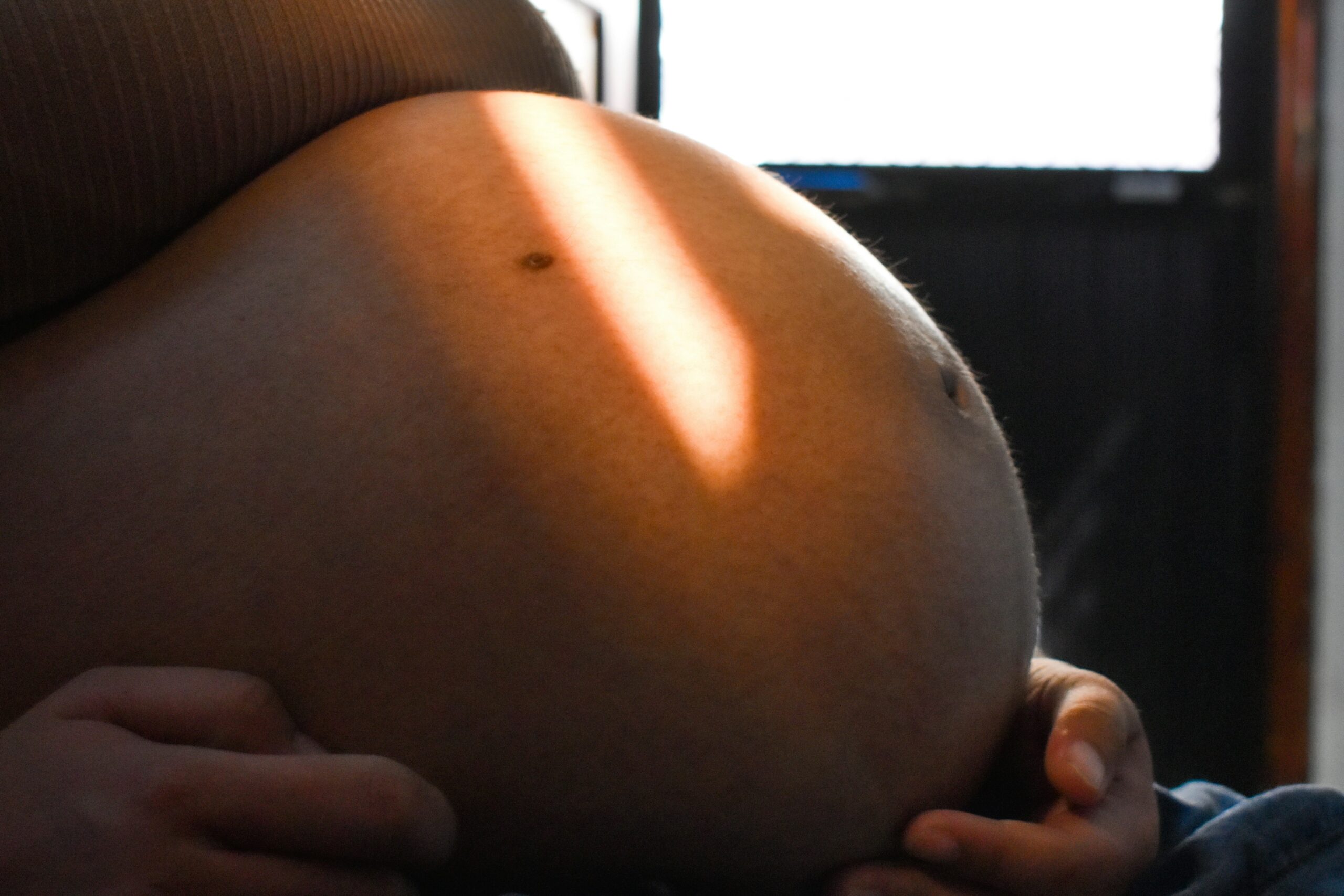
Being Pregnant in Autumn
Autumn is one of the most recommended seasons for pregnancy due to stable temperatures and fewer weather-related challenges.
Pros
- Cooler weather makes physical activity more comfortable
- Lower humidity reduces swelling
- Many nutritious seasonal foods (pumpkin, apples, leafy greens)
- Flu season starts, but vaccines and preventive care are readily available
- Great time for maternity fashion — layers are comfortable and flattering
Cons
- Early cold-and-flu season might increase mild illnesses
Ideal For
Women who want to spend late pregnancy or early motherhood in mild weather.
-
Being Pregnant in Winter
Winter brings extra challenges, but it can still be manageable with good planning.
Pros
- Cooler weather reduces swelling
- Comfortable sleeping temperatures
- Holiday season creates a warm and joyful environment
Cons
- Higher risk of seasonal illnesses (colds, flu)
- Shorter days can affect mood
- Icy or slippery conditions may increase fall risks (in some regions)
- Thick layers of clothing may feel heavy
Ideal For
Women who are in early pregnancy during winter, with later trimesters falling in spring or summer.
What Most Women Consider the “Best” Timing
While every pregnancy is unique, many women prefer the following timing:
Conception in Late Summer or Early Autumn (August–October)
This means:
- First trimester is in cool weather
- Second trimester — the most comfortable period — is in winter/spring
- Final trimester happens in mild spring/summer
- Baby arrives in late spring or early summer

Why this timing is popular:
- You avoid being heavily pregnant in extreme heat
- Winter illnesses don’t hit during early pregnancy
- Maternity clothes are easier to manage
- Outdoor activities are possible throughout most of the pregnancy
This pattern works well in many countries, especially those with hot summers or cold winters.
Other Factors That Influence the “Best” Time
- Lifestyle and Work Schedule
Teachers may prefer summer births.
Women with physically demanding jobs may prefer cooler seasons.
- Climate of Your Country
What is “comfortable” depends on where you live:
- Hot countries (e.g., UAE, Kenya, India): summer pregnancies can be tough
- Cold countries (e.g., Canada, Norway): winter pregnancies can be more challenging
- Holiday and Travel Plans
Some families prefer:
- Avoiding due dates near Christmas or New Year
- Maternity leave aligning with school holidays
- Personal Health Considerations
Some women may time pregnancy around:
- Allergy seasons
- Chronic conditions that get worse in certain weather
About The Author