
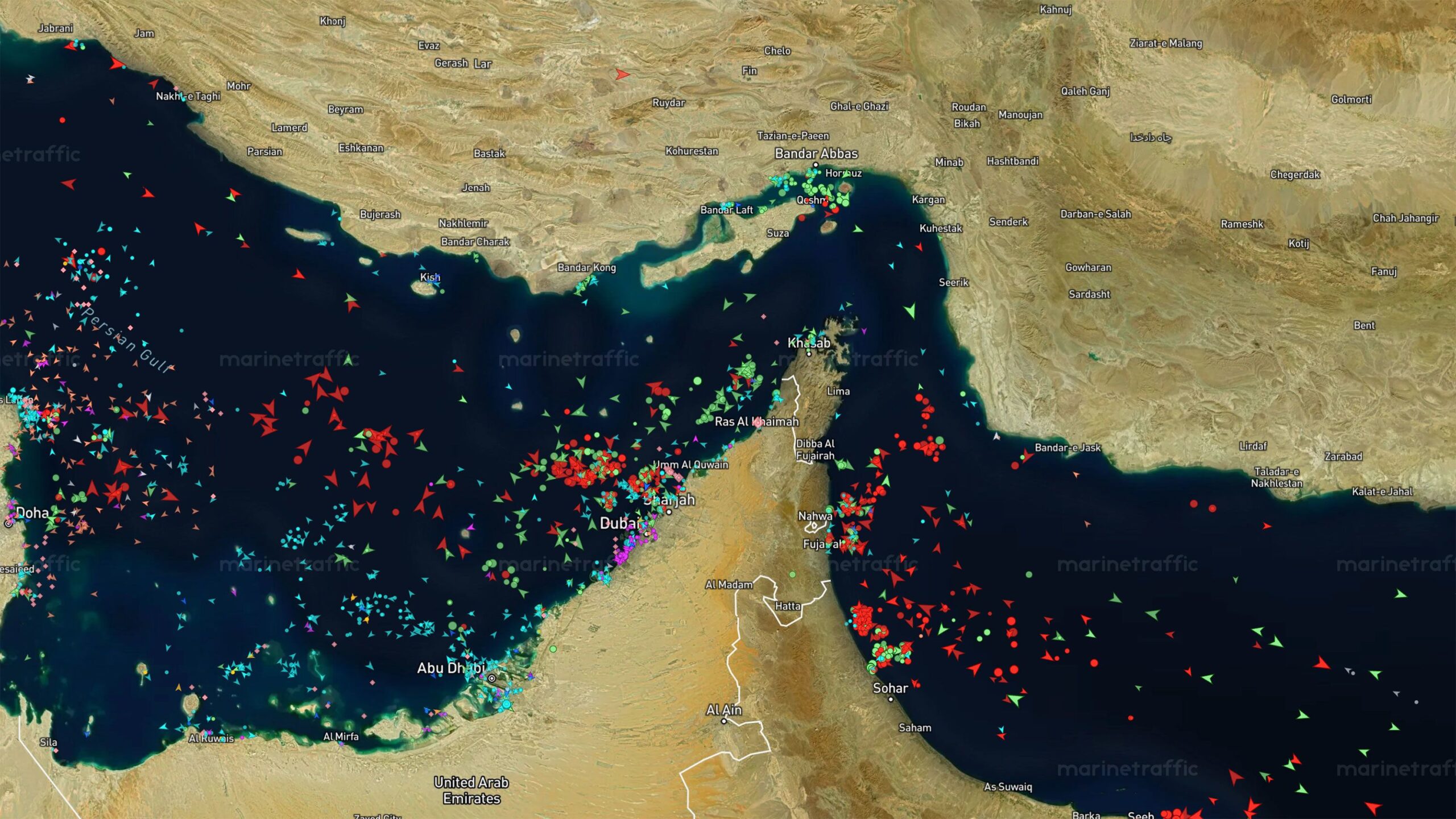
The Strait of Hormuz has once again become the focal point of global tension, as the United States signals a more aggressive posture in one of the world’s most critical transit routes. With rising conflict involving Iran and its rivals, the narrow waterway is at the heart of a geopolitical storm that could have far-reaching consequences.
The History of the Strait of Hormuz
The Strait of Hormuz has long been one of the most strategically important waterways in global trade. Located between Oman and Iran, it connects the oil-rich Persian Gulf to the open ocean via the Gulf of Oman.
Historically, the strait has been central to global energy supply chains since the mid-20th century, when oil exports from Gulf countries began powering industrial economies worldwide. Its importance intensified during events such as the Iran-Iraq War, when both sides targeted oil tankers in what became known as the “Tanker War.”
Since then, the strait has remained a pressure point in global politics, frequently threatened during periods of tension between Iran and Western powers.
Why the Strait of Hormuz Matters
The significance of the Strait of Hormuz cannot be overstated:
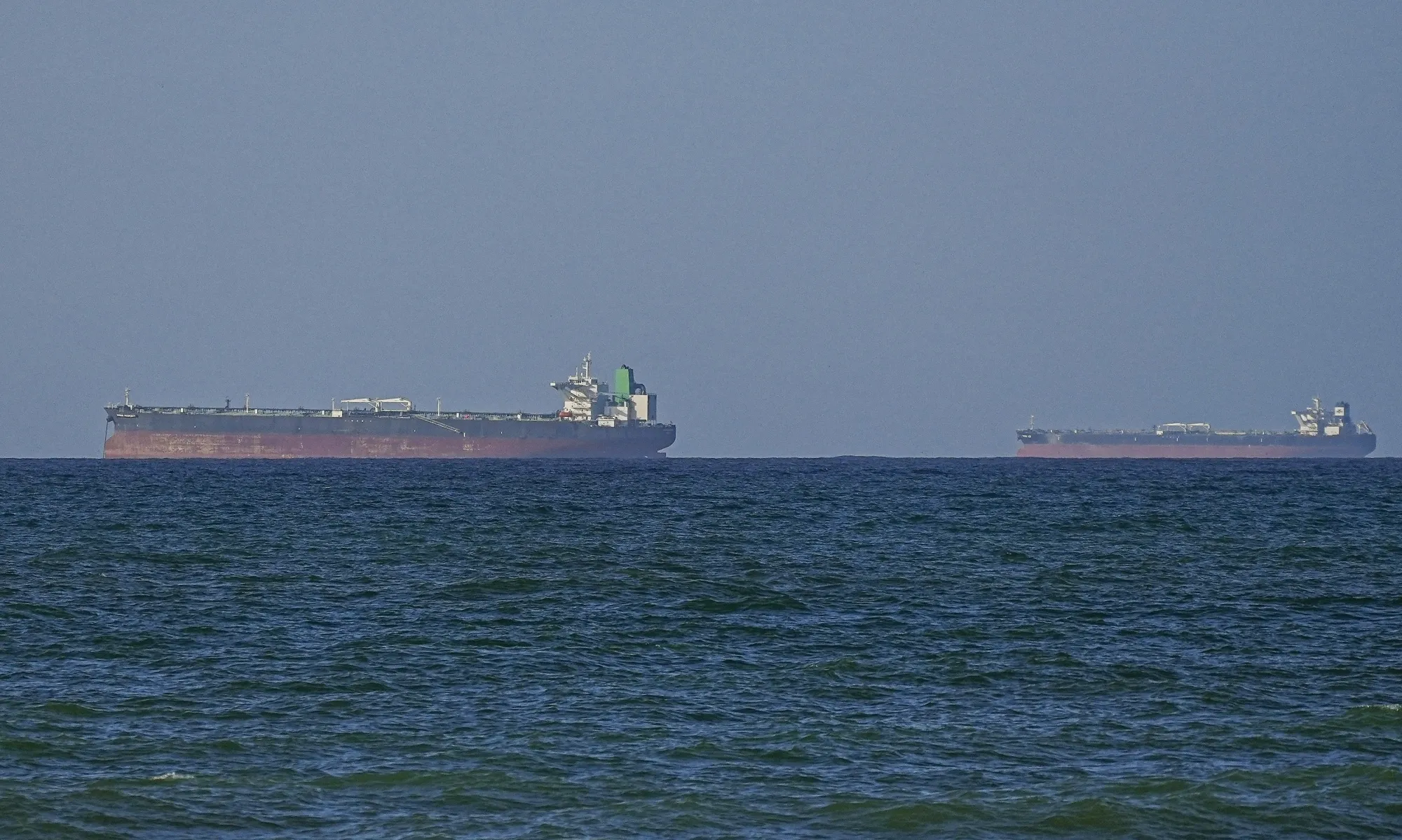
- Roughly one-fifth of the world’s oil supply passes through it daily
- It is a key route for liquefied natural gas exports, especially from Gulf states
- It serves as a lifeline for global energy markets
Any disruption in the strait has an immediate impact on oil prices, shipping routes, and global inflation.
Countries across Asia, Europe, and beyond depend heavily on this route, making it not just a regional issue, but a global one.
The Geopolitics Behind the Tensions
At the center of the crisis is the long-standing rivalry between Iran and the United States, alongside U.S. allies in the region.
Iran has repeatedly warned that it could block or disrupt traffic in the strait if its national security or economic interests are threatened. This has often been linked to sanctions imposed by the United States and tensions over Iran’s nuclear program.
On the other side, the United States maintains a strong naval presence in the region to ensure “freedom of navigation” — a principle it considers essential to global trade.
Recent escalations have heightened fears of confrontation, particularly as both sides increase military activity in and around the strait.
Why the U.S. Is Taking Action Now
The renewed U.S. focus on the Strait of Hormuz is driven by several key factors:
- Energy Security Concerns
With global energy markets already under strain, any threat to oil flow through the strait could trigger economic shocks worldwide.
- Iran’s Strategic Leverage
Iran’s geographic position gives it significant control over the strait, allowing it to exert pressure during conflicts.
- Military and Political Signaling
A stronger U.S. presence sends a message to both allies and adversaries about its commitment to maintaining open trade routes.
- Broader Regional Conflict
The current tensions are tied to wider instability in the Middle East, including conflicts involving multiple state and non-state actors.
What This Means for the World
The situation in the Strait of Hormuz has global implications:
Rising Oil Prices
Any disruption could cause oil prices to spike sharply, affecting transport, food costs, and inflation worldwide.
Economic Uncertainty
Countries that rely heavily on imported energy — especially in Asia and Europe — would face immediate economic pressure.
Risk of Military Escalation
A direct confrontation between the United States and Iran could trigger a broader regional conflict with global consequences.
Supply Chain Disruptions
Shipping delays and rerouting could impact not just energy, but global trade as a whole.
Could the Strait Be Blocked?
While Iran has threatened to close the strait in the past, doing so would be extremely risky. It could provoke a strong military response from the United States and its allies.
However, even partial disruption — such as harassment of ships or mining of waters — could have major effects without a full blockade.
The Strait of Hormuz represents more than just a shipping lane — it is a symbol of how interconnected global energy, politics, and security have become.
As tensions rise, the world is watching closely. What happens in this narrow stretch of water could shape global markets, diplomatic relations, and security dynamics for years to come.
Also Read: Trump Announces Naval Blockade of Strait of Hormuz
About The Author