
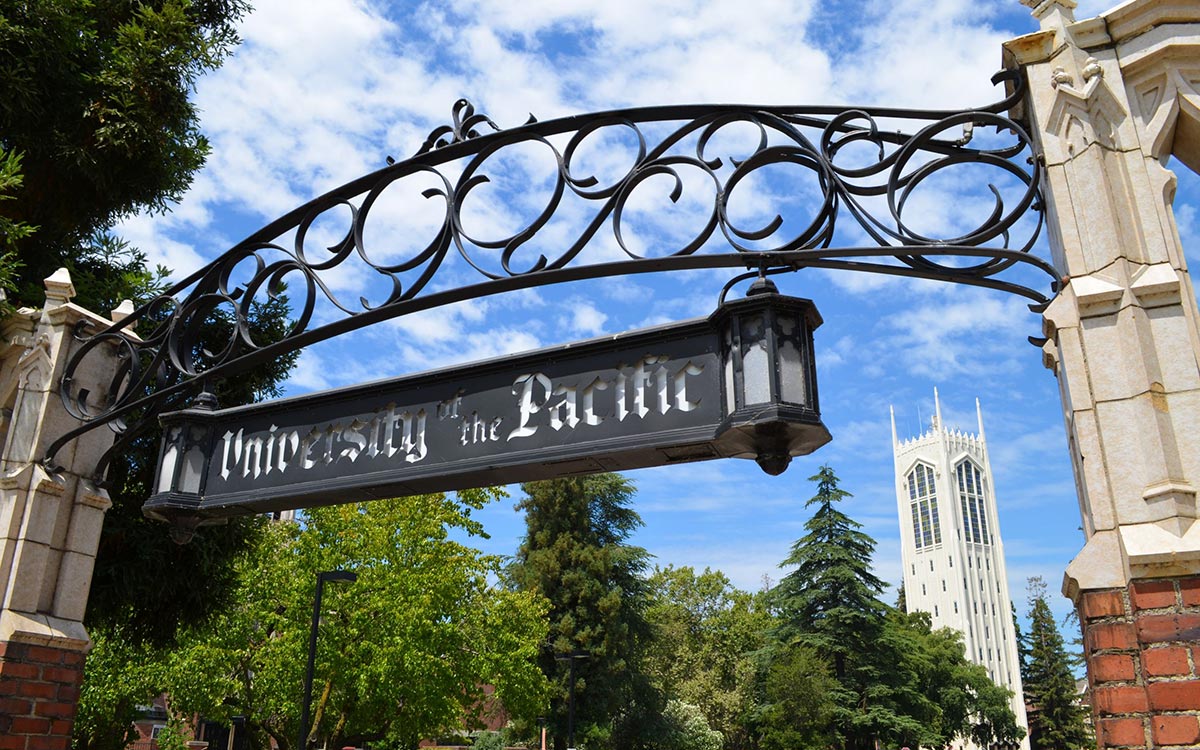
The University of the Pacific (UOP) is planning to open a new medical school in Stockton to expand healthcare education and train doctors to serve local communities.
UOP President Christopher Callahan sent a letter to Stockton City Manager Johnny Ford on Thursday, requesting the city’s support in seeking federal funding for the project. The Stockton City Council has scheduled a special meeting on Monday to consider applying for millions of dollars in federal grants. If approved, the city would act as the fiscal agent for the funds.
The new medical school, estimated to cost $150 million, will feature a 100,000-square-foot building and aims to admit its first class in fall 2030 with 60 students, gradually expanding to 400 students within a decade. The university says the school will focus on training students locally, particularly in primary care and other high-demand specialties, to encourage graduates to remain in the region and serve underserved populations.
“The University of the Pacific School of Medicine will allow the City and Pacific to transform the regional health landscape by addressing urgent physician and equity gaps, expanding access to care, and sustaining local educational and workforce opportunities through our own healthcare provider pipeline,” Callahan wrote in the letter to the city manager.
The university is seeking $7 million in Community Project Funding (CPF) through U.S. Rep. Josh Harder, D–Tracy, to purchase essential equipment for the new school. The grant application deadline was Friday. According to the university, the funding will be used entirely for equipment needed to launch the School of Medicine.
A detailed cost breakdown in the grant application lists $85 million in capital costs for construction, technology, and equipment, and $65 million in operating costs over the first ten years. UOP has pledged $50 million of its own funds, including $20 million in private donations, and plans to raise the remaining through philanthropic and corporate partnerships.
California is expected to face a 20% physician shortage within the next decade, with Stockton and surrounding areas experiencing long wait times, limited specialty care, and high rates of chronic disease. The new medical school is seen as a critical step toward reducing these gaps.
“Physicians who train where they are needed are more likely to practice locally, reducing reliance on short-term staffing and strengthening access to care,” the application notes. “Over time, more locally trained doctors will help improve health outcomes through better continuity of care, earlier intervention, and stronger chronic disease management.”
Callahan also highlighted the economic impact of the project, estimating that the medical school will increase San Joaquin County’s economic output by more than $800 million over the next decade.
ALSO READ: Lisa Mann Confirmed as Permanent Vice-Chancellor and CEO of Arts University Bournemouth
About The Author