
A group of university students in Ukraine has developed an innovative way to turn recycled plastic waste into medical training tools using 3D printing technology.
The students created the project despite the disruption caused by the ongoing war with Russia, which has affected education and daily life across the country for the past four years.
The team, which operates under the name Alium, includes students identified as Anastasiia, Olha, Myroslava and Anna. Their work focuses on recycling plastic bottles and transforming them into useful equipment for medical education, including dental training blocks and other laboratory tools.
According to a statement about the project, the innovation could help reduce plastic pollution while also addressing shortages of medical training equipment.
The idea first emerged when 19-year-old Anastasiia had her plans to attend medical school delayed due to the war.
“Even then, I did not give up and continued preparing for university,” said Anastasiia, who is now in her third year.
The students later joined UPSHIFT Start, a programme supported by the humanitarian organisation UNICEF. The initiative helped them develop their recycling project and explore new ways of using plastic waste.
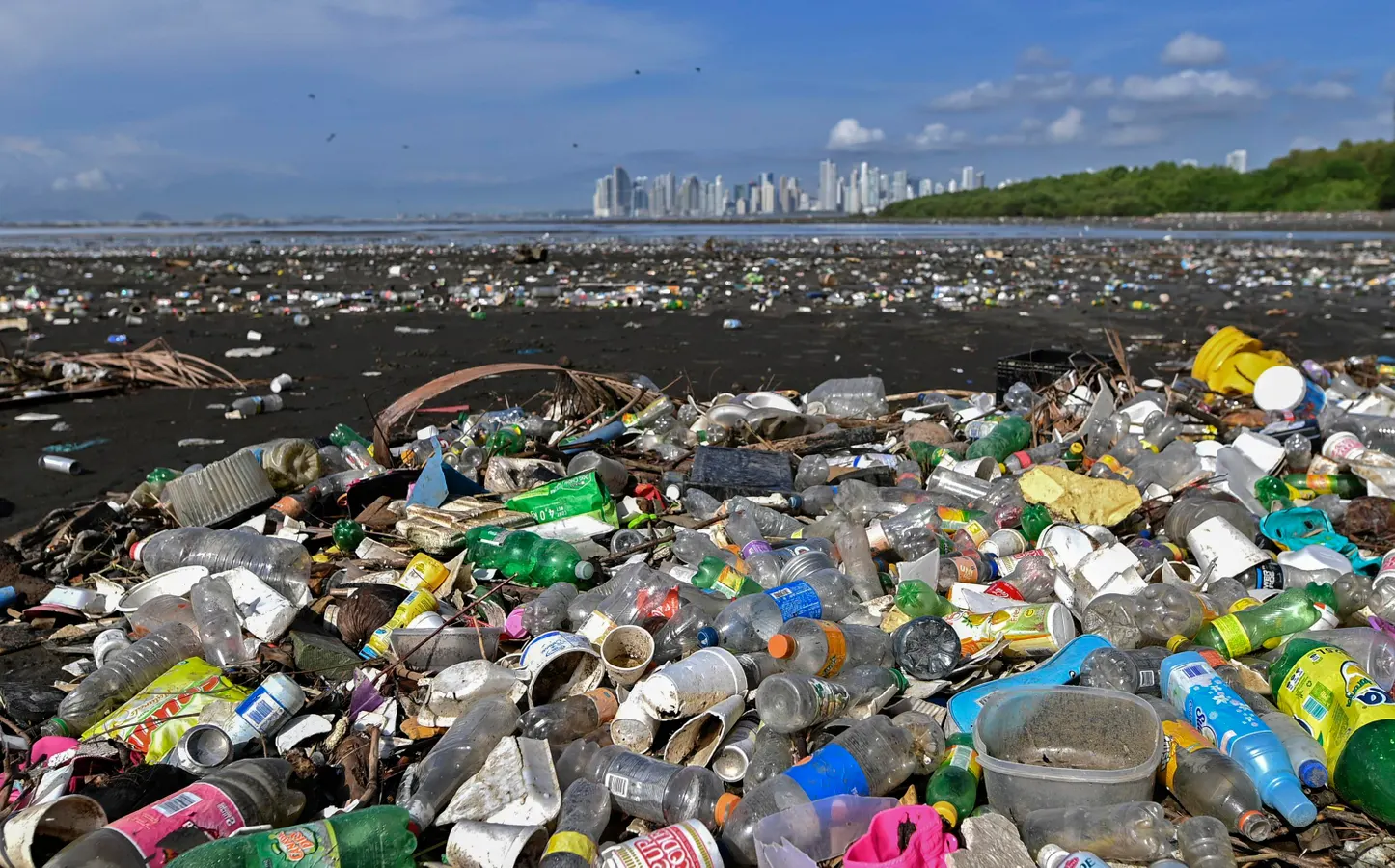
Plastic pollution is a growing global concern. Studies show that humans produce about 57 million tonnes of plastic waste every year, and much of it can take decades or even centuries to break down. Tiny plastic particles, known as microplastics, have also been found in soil, water and even human blood.
While most medical students focus mainly on their academic studies, the Alium team decided to explore environmental solutions alongside their education.
“Medical students often stay within a very narrow circle, and that concerns me. I want to challenge the stereotype that studying medicine limits opportunities,” Anastasiia added.
The project began with awareness campaigns in schools and universities to encourage people to sort waste for recycling. Globally, less than 10 percent of plastic waste is recycled, partly because producing new plastic is often cheaper.
After learning how 3D printers can convert plastic bottles into printing filament, the students shifted their focus to creating practical medical tools.
Their work has helped address shortages of specialised equipment in Ukraine, where expensive factory-made medical tools can sometimes be difficult to obtain. By using recycled materials and 3D printers, the students are producing affordable and accurate tools for training and research.
“We’ve already printed parts for a centrifuge and a lamp. We’ve also created components for a microscope that can be used for research. And now we’re working on anatomical bone models,” Anastasiia said.
The project has already attracted attention from dental associations and universities interested in expanding the idea. The students hope their innovation can be scaled up and used more widely.
“I am driven by the desire to influence the environment I live in. I don’t believe the phrase that circumstances simply happen. I want to shape those circumstances myself. Projects and research work are my way of making real change possible,” Anastasiia said.
Experts around the world are also exploring other ways to reduce plastic waste. For example, researchers in Japan are working on biodegradable plastics designed to break down safely after use.
The Ukrainian students believe their recycling approach could provide both an environmental solution and a practical way to support medical training in countries facing limited resources.
About The Author