
Global oil prices rose sharply after at least three ships were attacked near the Strait of Hormuz, a key shipping route that carries around 20% of the world’s oil and gas. The attacks come as Iran continues retaliatory strikes across the Middle East following US and Israeli military actions.
According to the UK Maritime Trade Operations Centre (UKMTO), two vessels were hit, while an “unknown projectile” exploded near a third. Iran has warned ships to avoid the strait, leading to almost a halt in international shipping in the area.
In early Asian trading on Monday, oil prices jumped more than 10% before easing slightly. Brent crude rose 4% to $76.16 a barrel, while US-traded oil increased by about 4% to $69.67.
Saul Kavonic, head of energy research at MST Research, told the BBC that the market is not panicking because oil transport infrastructure has not been directly targeted. “The market will be watching for signs that traffic through the Strait of Hormuz returns, which would see oil prices subside again,” he said. However, some analysts warn that prices could exceed $100 per barrel if the conflict continues.
The OPEC+ group, including Saudi Arabia and Russia, agreed on Sunday to increase production by 206,000 barrels a day to help stabilize prices, though experts say the impact may be limited. Edmund King, president of the AA, warned that global petrol prices could rise depending on the duration of the conflict.
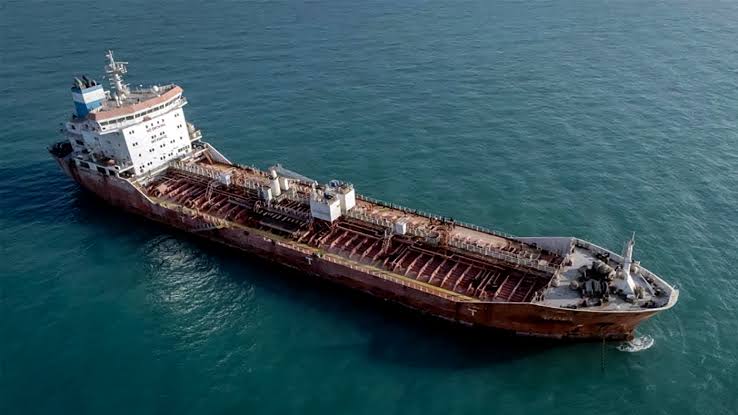
Iran’s Islamic Revolutionary Guards Corps (IRGC) said the attacked tankers belonged to the UK and US and were set ablaze. The UK and US have not commented. The UKMTO confirmed multiple security incidents across the Arabian Gulf and Gulf of Oman and advised ships to transit with caution.
About 150 tankers are currently anchored in open Gulf waters, while a few Iranian and Chinese vessels have passed through the strait. “Because of Iran’s threats, the strait is effectively closed,” said Homayoun Falakshahi from the ship-tracking platform Kpler. He added that if the strait remains closed, oil prices could rise significantly.
Private security firm Vanguard Tech reported incidents involving ships flagged to Gibraltar, Palau, the Marshall Islands, and Liberia. Danish shipping company Maersk announced it would reroute ships around the Cape of Good Hope, pausing sailings through the Bab el-Mandeb Strait and the Suez Canal.
The attacks followed escalations after the killing of Iran’s Supreme Leader Ayatollah Ali Khamenei in US-Israeli strikes. Iran and Israel have since carried out aerial attacks in Dubai, Doha, Bahrain, and Kuwait, heightening tensions across the region.
ALSO READ: University of Aberdeen Staff Announce Strike Dates Over Job Cuts Dispute
About The Author