
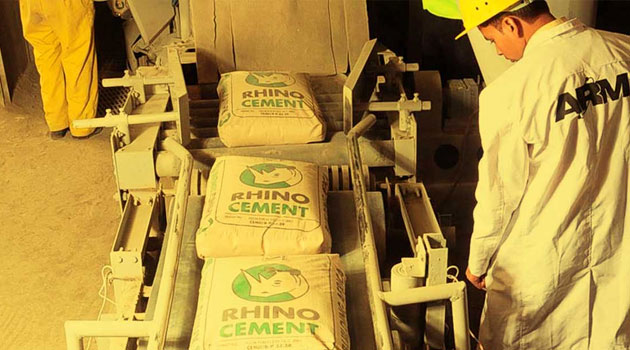
Collapsed cement manufacturer ARM Cement Limited has announced plans to wind up its operations as administrators move to conclude the company’s liquidation process amid heavy debt and unresolved tax disputes.
In a status report to creditors, joint administrators Muniu Thoithi and George Weru said the wind-up will be carried out in an orderly manner. The process will include settling outstanding issues, paying creditors and closing subsidiaries.
In Kenya, the company is seeking to resolve a tax dispute with the Kenya Revenue Authority (KRA), which has delayed completion of the liquidation.
“In this regard, the liquidators will be engaging KRA with a view to adjudicating upon and ultimately settling the dividends due in respect of these liabilities. We expect to resolve this matter by June 2026,” the report stated.
The administrators said that once the process is complete, they will seek confirmation from KRA that all tax matters — both before and after administration — have been settled in line with insolvency laws. They added that most tax issues have already been addressed and do not expect major changes to the company’s current tax position.
Outside Kenya, the company still has unresolved tax obligations with the Tanzania Revenue Authority and the Rwanda Revenue Authority. These relate to asset sales involving Kigali Cement Company Ltd (KCCL).
The administrators said the ARM Tanzania transaction is expected to be completed in the first half of 2026, subject to resolving the outstanding tax matter in Tanzania. However, they noted that the liquidation of ARM Tanzania is unlikely to generate a significant surplus for the parent company.
ARM Cement’s outstanding debt currently stands at Sh11.8 billion, down from Sh20 billion. The debt is owed to preferential, secured and unsecured creditors.
“As of the date of this report, dividends distributed to unsecured creditors of the company amount to 7.61 per cent recovery in relation to their reviewed claims,” the administrators said.
They cautioned that most of the realised funds have already been used, and unsecured creditors should not expect substantial additional payments, apart from any small remaining balances after operational obligations are settled at the end of the liquidation process.
About The Author