


Investing without knowledge is like navigating unfamiliar territory without a map. For university students eager to grow their money, understanding the fundamentals of finance, risk, and long-term wealth building is essential before putting any funds into investments. The right books can shape your mindset, teach timeless principles, and help you avoid costly mistakes. This guide highlights must-read books for university students before starting their investment journey.
Why Students Should Read Investment Books First
Many young investors rush into stocks, cryptocurrency, or trading apps hoping for quick profits. Without a solid foundation, they often lose money due to emotional decisions, lack of strategy, or misinformation.
Reading trusted financial books helps students understand how money works, develop discipline and patience, learn risk management, and build a long-term wealth mindset. More importantly, these books teach principles that remain relevant regardless of market trends.
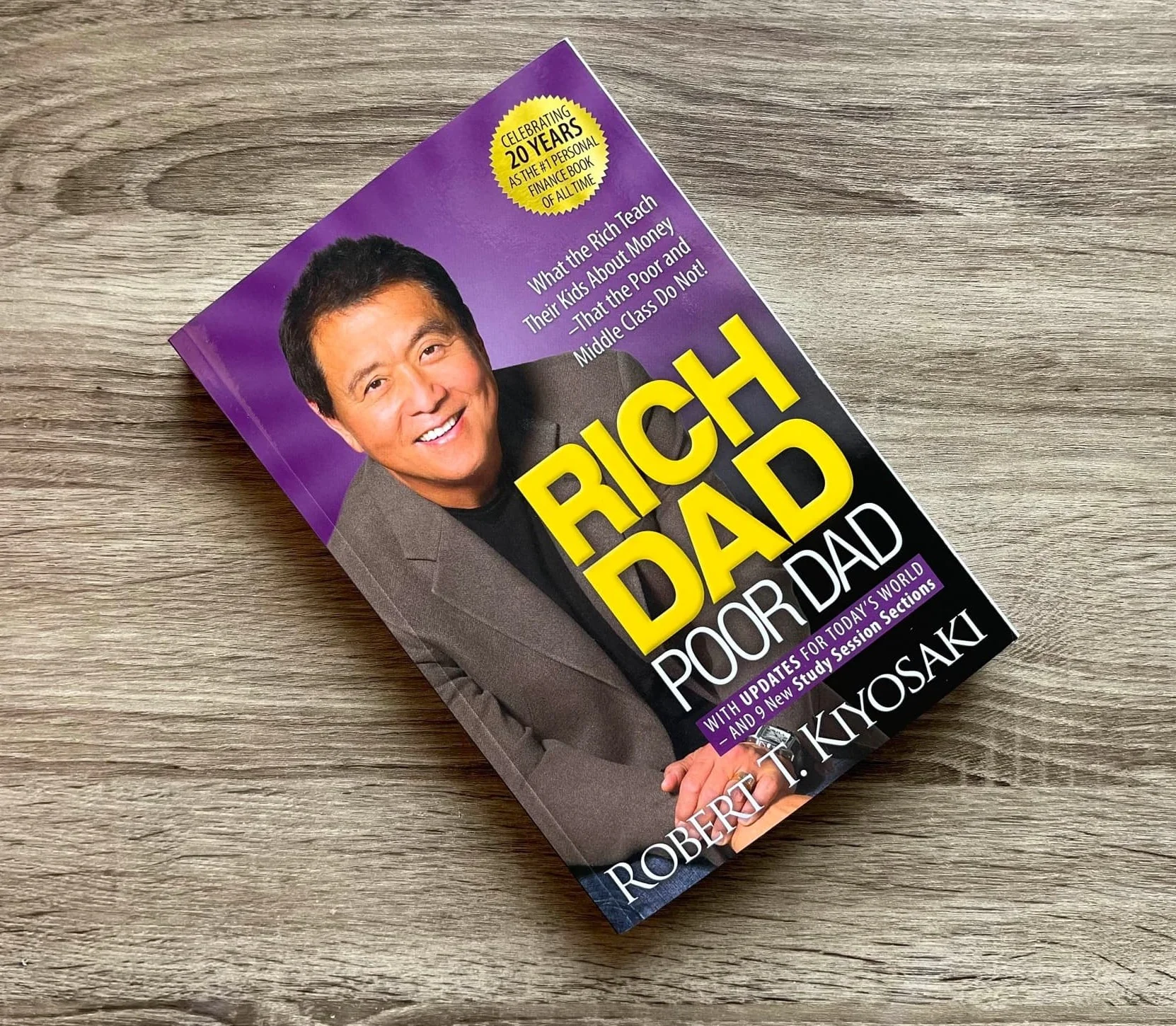
Rich Dad Poor Dad by Robert Kiyosaki
This classic introduces the mindset required for financial success. It explains the difference between assets and liabilities and emphasizes the importance of making money work for you instead of working for money.
University students benefit from learning how financial education differs from traditional schooling and why building assets early is critical for wealth creation.
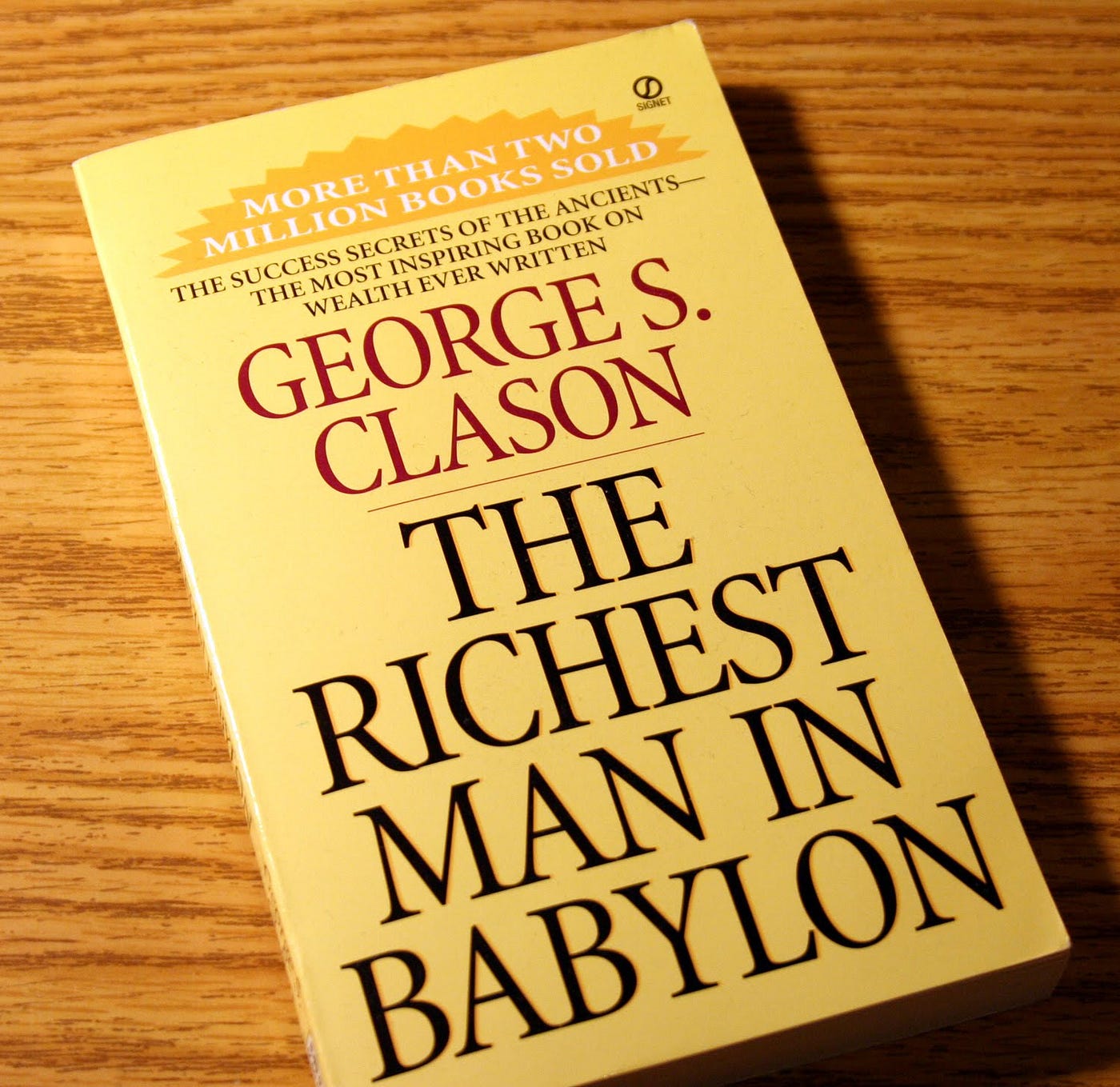
The Richest Man in Babylon by George S. Clason
Written in simple storytelling style, this timeless book teaches foundational money principles such as saving consistently, living below your means, and making wise investments.
Students appreciate its easy-to-understand lessons, making it ideal for beginners who want to build strong financial habits.
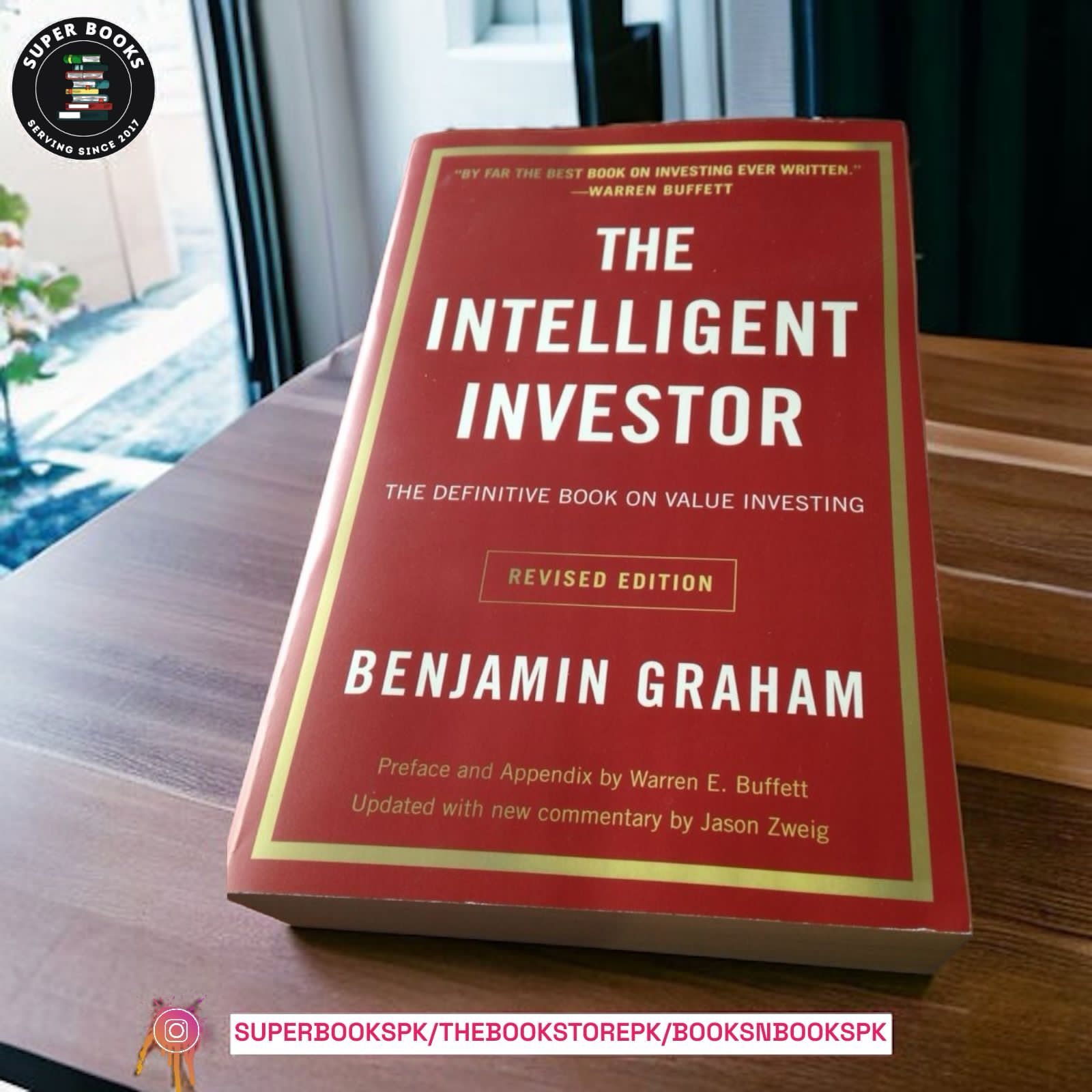
The Intelligent Investor by Benjamin Graham
Often regarded as the bible of value investing, this book explains risk management, market behavior, and the importance of long-term strategies.
Though more detailed, it helps students understand the difference between investing and speculation and teaches how to avoid emotional decision-making.
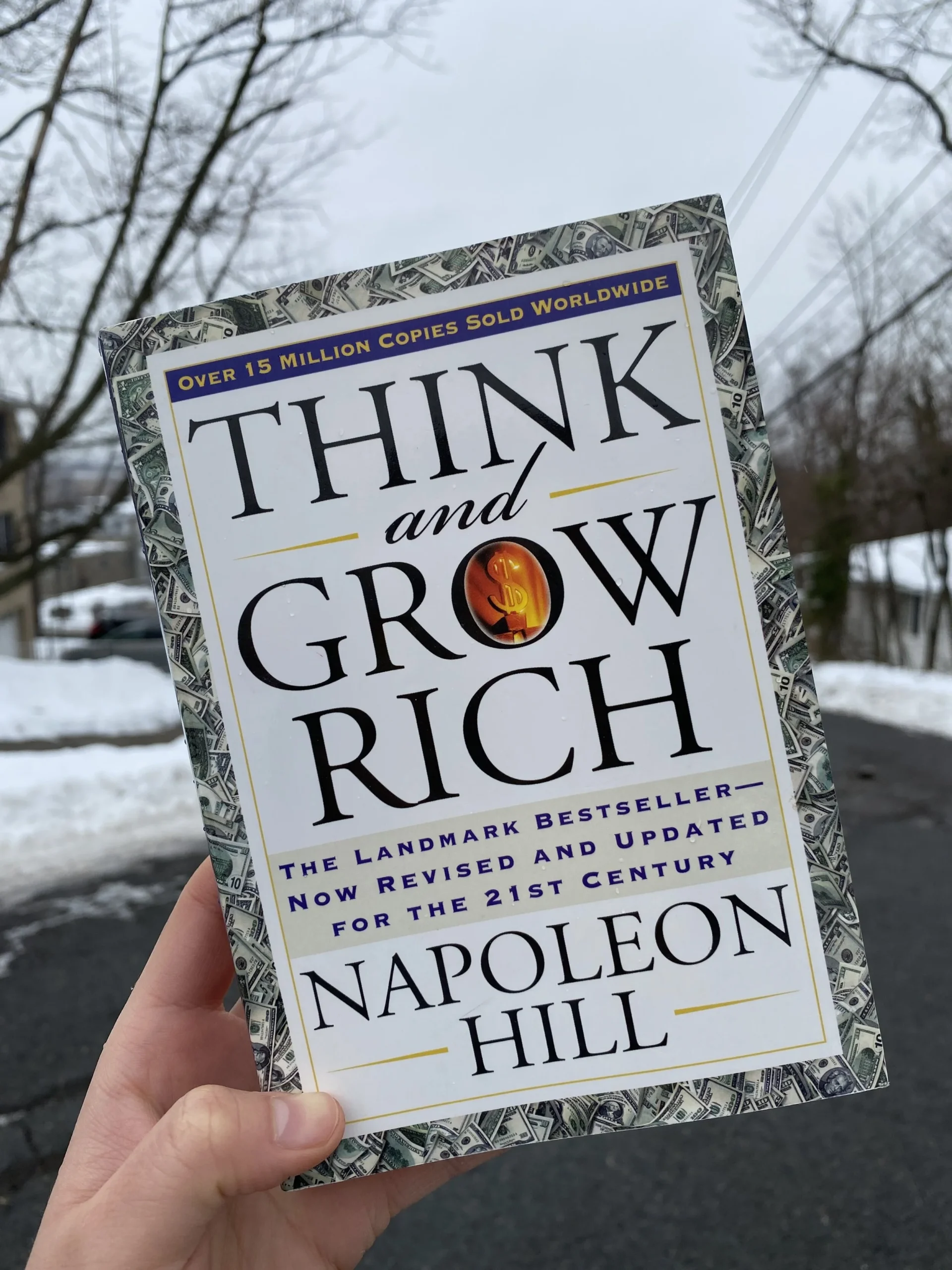
Think and Grow Rich by Napoleon Hill
This book explores the psychology of success and wealth creation. It emphasizes goal setting, persistence, and mindset — crucial traits for successful investors and entrepreneurs.
For students, it reinforces the belief that financial success begins with clarity of purpose and disciplined thinking.
The Millionaire Next Door by Thomas J. Stanley
Based on research into the habits of wealthy individuals, this book dispels myths about wealth. It shows that most millionaires live modestly, save consistently, and invest wisely.
Students learn that wealth is built through discipline and smart financial habits rather than flashy lifestyles.

Your Money or Your Life by Vicki Robin and Joe Dominguez
This book focuses on transforming your relationship with money. It teaches how to track expenses, align spending with values, and achieve financial independence.
Students gain practical insights into budgeting, mindful spending, and long-term financial planning.
I Will Teach You to Be Rich by Ramit Sethi
Written in a modern, relatable tone, this book provides actionable advice on saving, banking, budgeting, and investing.
It is especially relevant for students entering adulthood and managing finances independently for the first time.
How These Books Prepare Students for Investing
Reading these books equips students with critical financial skills, including understanding risk and return, learning the power of compound growth, developing patience and emotional discipline, avoiding debt traps, and distinguishing between speculation and long-term investing.
These lessons help students make informed investment decisions and build sustainable wealth strategies.
Tips for Applying What You Learn
After reading these books, students should begin practicing financial discipline by creating a budget, building an emergency fund, saving consistently, and starting small investments. Applying knowledge gradually builds confidence and prevents costly mistakes.
Joining campus investment clubs, participating in financial literacy forums, and following reputable financial news can also reinforce learning.
About The Author