

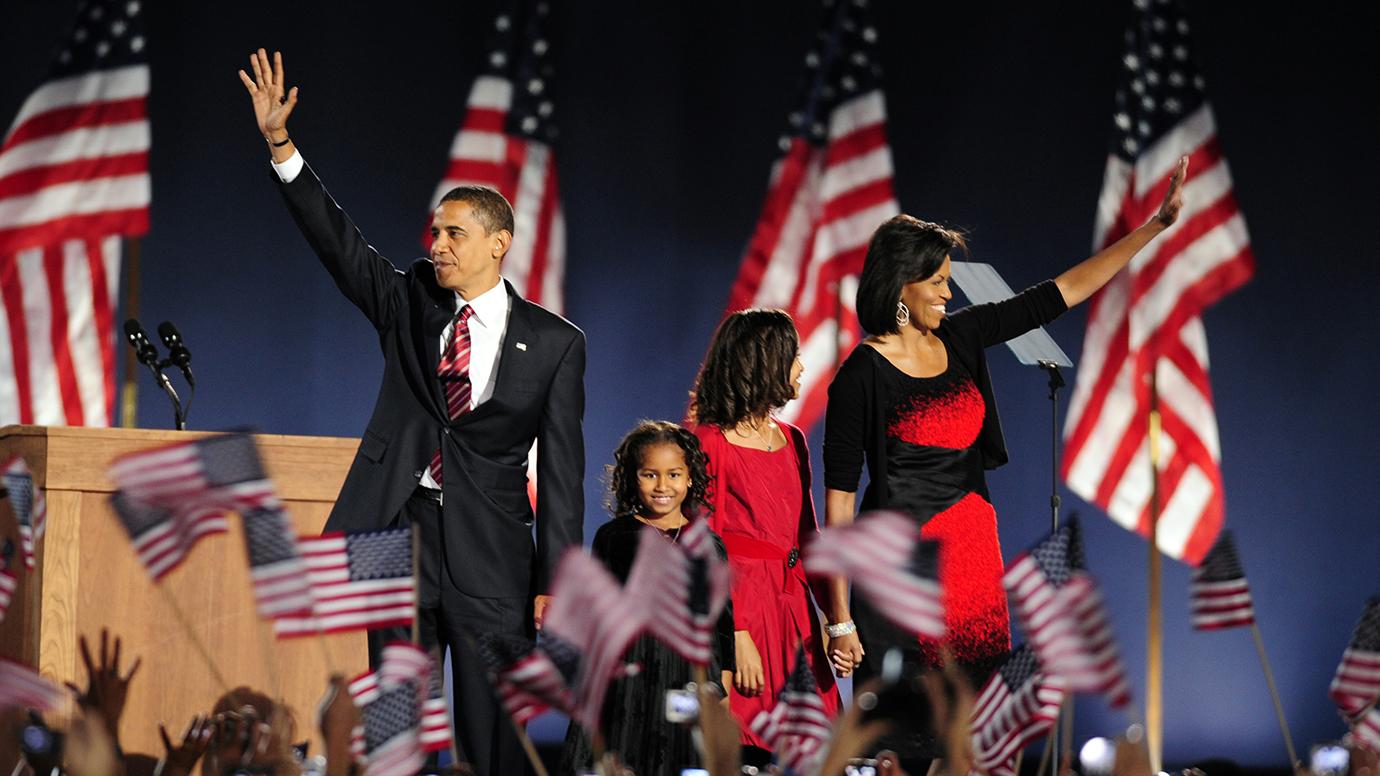
Columbia University announced on February 17 that the Obama Presidency Oral History archive is now open to the public, offering an extensive record of the historic presidency of Barack Obama and the life and influence of Michelle Obama.
Produced by Columbia’s Incite Institute in collaboration with scholars from the University of Chicago and the University of Hawaii, the digital archive features 450 interviews with officials, activists, artists, organisers and ordinary citizens. The collection includes more than 1,100 hours of audio and video, covering Obama’s childhood in Hawaii, the couple’s years in Chicago, and their time in Washington, D.C.
Researchers at the University of Chicago led a segment of the project documenting the Obamas’ careers in Chicago. The interviews explore Barack Obama’s work as a community organiser, politician and senior lecturer at the University of Chicago Law School, and Michelle Obama’s leadership role at the University of Chicago Medical Center.
The Chicago-focused interviews also preserve perspectives from notable local figures, including late civil rights leader Timuel Black, business leader James Crown, attorney Newton N. Minow, and Michelle Obama’s mother Marian Robinson. Other contributors include Illinois state senators, U.S. lawmakers and community leaders who witnessed the couple’s rise in public life.
Project contributors said the interviews highlight the influence of Chicago — particularly the South Side — in shaping the Obamas’ views on community, family and public service.
According to project leaders, the archive captures more than 10,000 stories from supporters and critics alike, including Democrats and Republicans, artists, workers, farmers, policy officials and refugees. The material documents key moments of the Obama administration, including the Affordable Care Act, the troop surge in Afghanistan and the Iran nuclear agreement.
The archive also sheds light on interactions between the White House and members of the public who wrote to the president about economic hardship, healthcare challenges and gun violence.
Project director Peter Bearman said the archive illustrates how government policies and leadership affect diverse communities.
The interviews are available online through the Obama Oral History website. Transcripts, video and audio recordings will also be housed at the Obama Presidential Center when it opens in Chicago in June.
About The Author