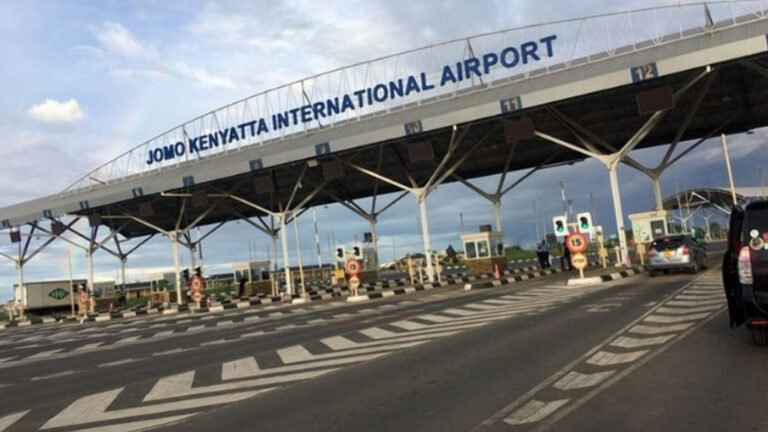


Operations at Jomo Kenyatta International Airport (JKIA) resumed following the signing of a return-to-work formula between the Kenya Aviation Workers Union (KAWU) and airport authorities, bringing to an end the Air Traffic Control (ATC) staff strike that had disrupted flights.
The breakthrough came after a successful mediation meeting led by Transport Cabinet Secretary Davis Chirchir, with participation from officials from the Ministry of Labour, the Kenya Airports Authority (KAA), KAWU, and the Kenya Civil Aviation Authority (KCAA).
In a statement, KAA commended all parties for their constructive engagement and commitment to resolving the dispute amicably.
Airport authorities confirmed that operations are now normalizing across all airports in the country. Passengers have been advised to contact their respective airlines for updated flight schedules as services gradually return to full capacity.
KAA acting Chief Executive Officer Dr. Mohamud Gedi reiterated the authority’s commitment to safety, efficiency, and operational excellence across Kenya’s airports.
The resolution is expected to ease travel disruptions and restore confidence in the country’s aviation sector.
The strike had negatively affected services at the airport. Other local airports had been affected too.
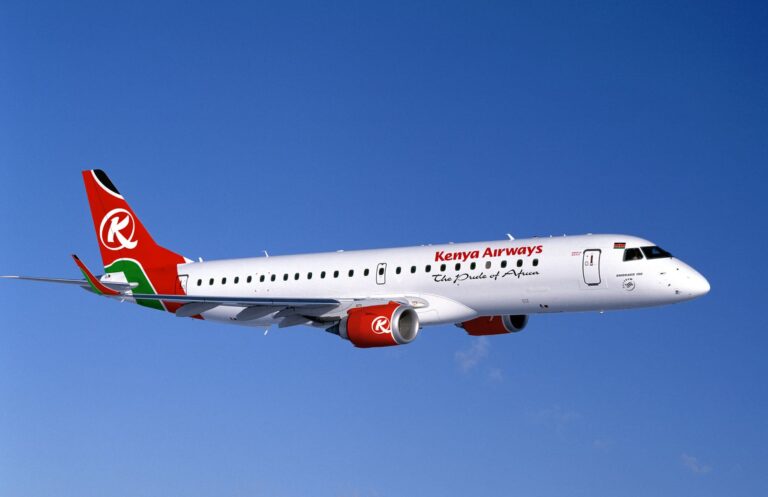
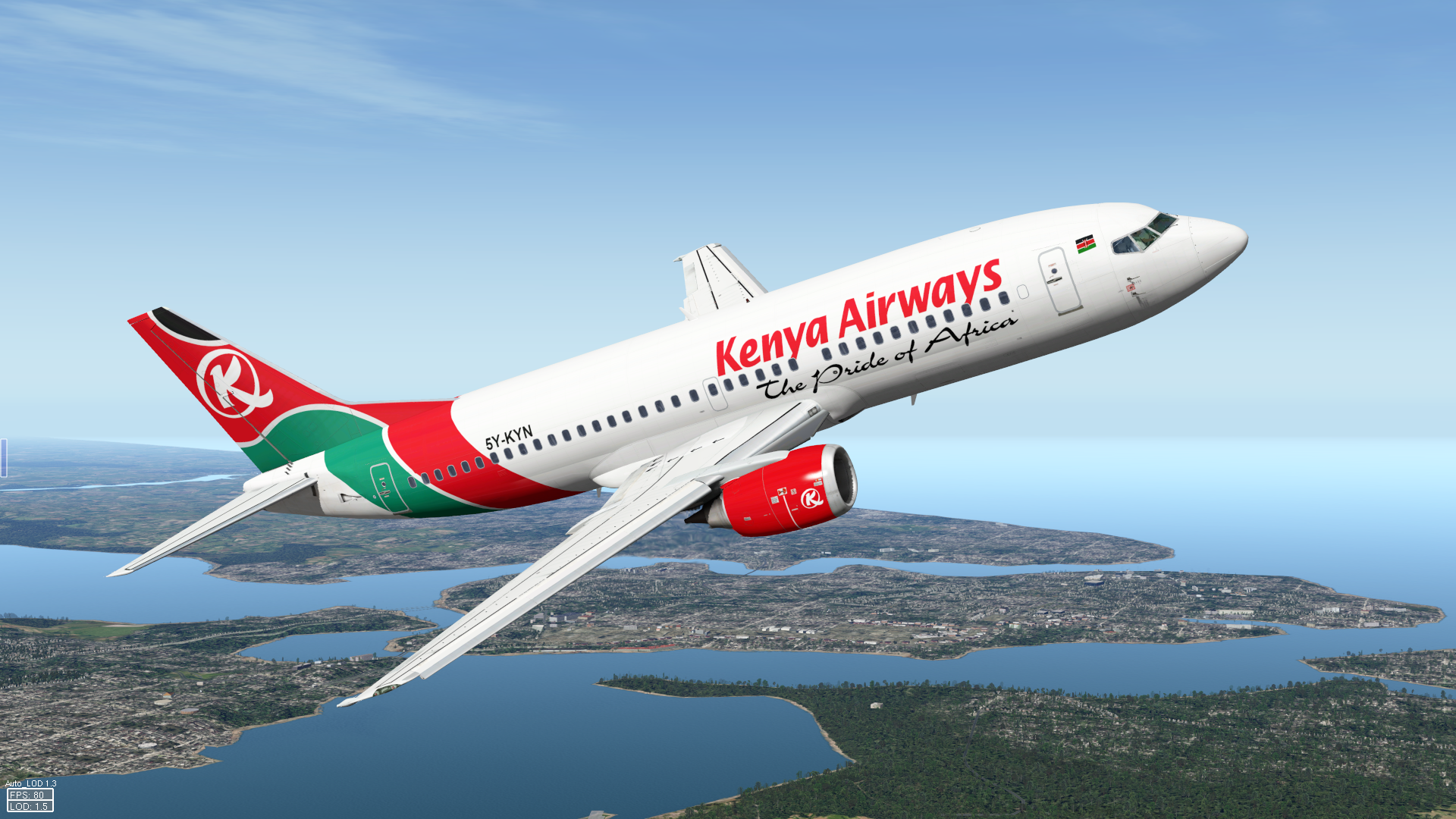
The strike had disrupted services at major airports and came shortly after Kenya Airways announced departure delays of up to four hours at Jomo Kenyatta International Airport.
In a statement issued on Tuesday, February 17, 2026, the airline informed customers that it had adjusted its flight network in response to the disruption.
“We sincerely regret the inconvenience and are working closely with relevant aviation authorities and airport stakeholders to minimize the impact on our customers and maintain safe operations,” the airline said.
Pilots had also warned of possible fatigue concerns during the industrial action, noting that crew scheduling and rest periods could be affected.
In a statement, the Kenya Airline Pilots Association (KALPA) emphasized that strict adherence to Flight Duty Period (FDP) limits and mandatory rest requirements is critical for safety.
“These regulatory safeguards exist to mitigate fatigue and ensure that flight operations are conducted within internationally accepted safety parameters. Under no circumstances should operational pressures be allowed to compromise these limits,” said KALPA General Secretary and CEO, Murithi Nyagah.
The industrial action had brought operations at several airports, including JKIA, to a standstill on Monday after KAWU accused the Kenya Civil Aviation Authority of failing to address its concerns, including a labour dispute.
Passengers were stranded at JKIA and Kisumu International Airport, with airlines warning travellers to expect delays.
“While we acknowledge the challenges currently facing the sector, we reiterate that labour matters are best resolved through constructive, good-faith dialogue,” Nyagah added.
“Meaningful engagement among all parties is essential to address outstanding issues and achieve mutually beneficial and sustainable solutions. Approaches that frustrate negotiations or entrench positions only lead to avoidable stalemates and further disruption to the industry and the travelling public.”
About The Author