
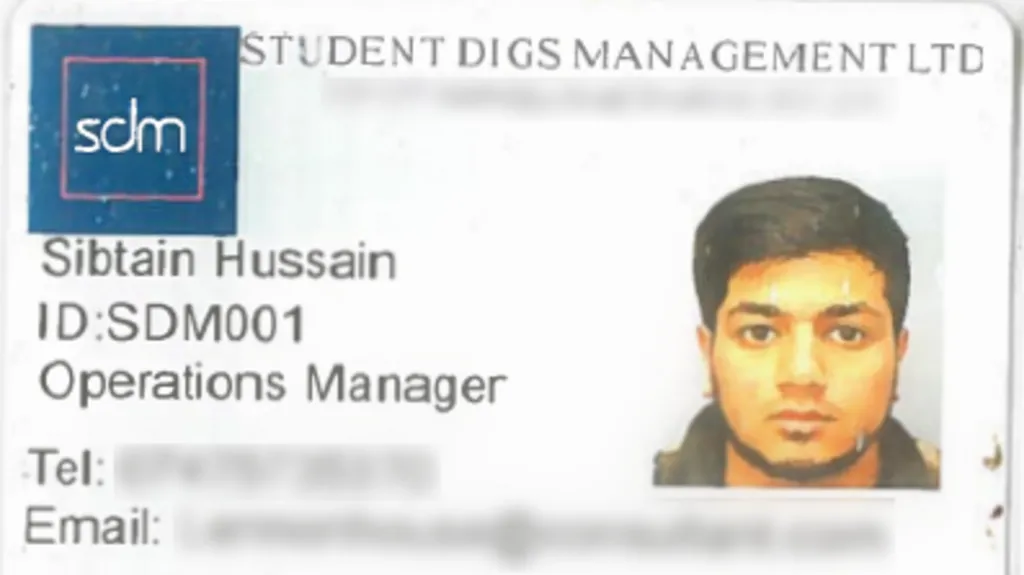
UK authorities said Sibtain Hussain, 32, used stolen applicant data from Lancaster University to target prospective international students, demanding payments for supposed “financial capability” checks, “student services” fees and accommodation deposits.
A man in the United Kingdom has been sentenced to four-and-a-half years in prison for defrauding foreign applicants to British universities of nearly £50,000 in an elaborate admissions-related scam.
UK authorities said Sibtain Hussain, 32, used stolen applicant data from Lancaster University to target prospective international students, demanding payments for supposed “financial capability” checks, “student services” fees and accommodation deposits.
According to the National Crime Agency (NCA), Hussain created multiple phone numbers, email addresses, false identities and bank accounts to carry out the scheme and evade detection.
Hussain, who lived on Crow Tree Lane in Bradford, initially denied the charges. However, he later pleaded guilty to conspiracy to commit fraud by false representation and transferring criminal property. He was sentenced at Leeds Crown Court on Monday.
Investigators said unauthorised access to Lancaster University’s internal computer system occurred in 2018, leading to the theft of sensitive applicant data. Hussain, who had enrolled at the university in 2017, gained access to the information and used it to contact more than 200 prospective students by phone and email, requesting payments of up to £3,200.
Lancaster University said it reported the data breach to the UK Information Commissioner’s Office and launched an internal investigation immediately after discovering the incident. The university added that additional security measures were implemented and affected individuals were contacted and given advice and support.
Hussain was arrested in Bradford in July 2019, with police seizing two mobile phones and a wallet containing evidence linking him to the fraud.
Authorities said 23 students transferred more than £48,000 to accounts connected to the scam, although banks were able to block most of the attempted transactions. The NCA noted that the scheme had the potential to generate more than £493,000 in illegal profits.
About The Author