
Health authorities in California have urged the public to stop consuming foraged wild mushrooms following a poisoning outbreak that has caused severe liver damage and at least one death.
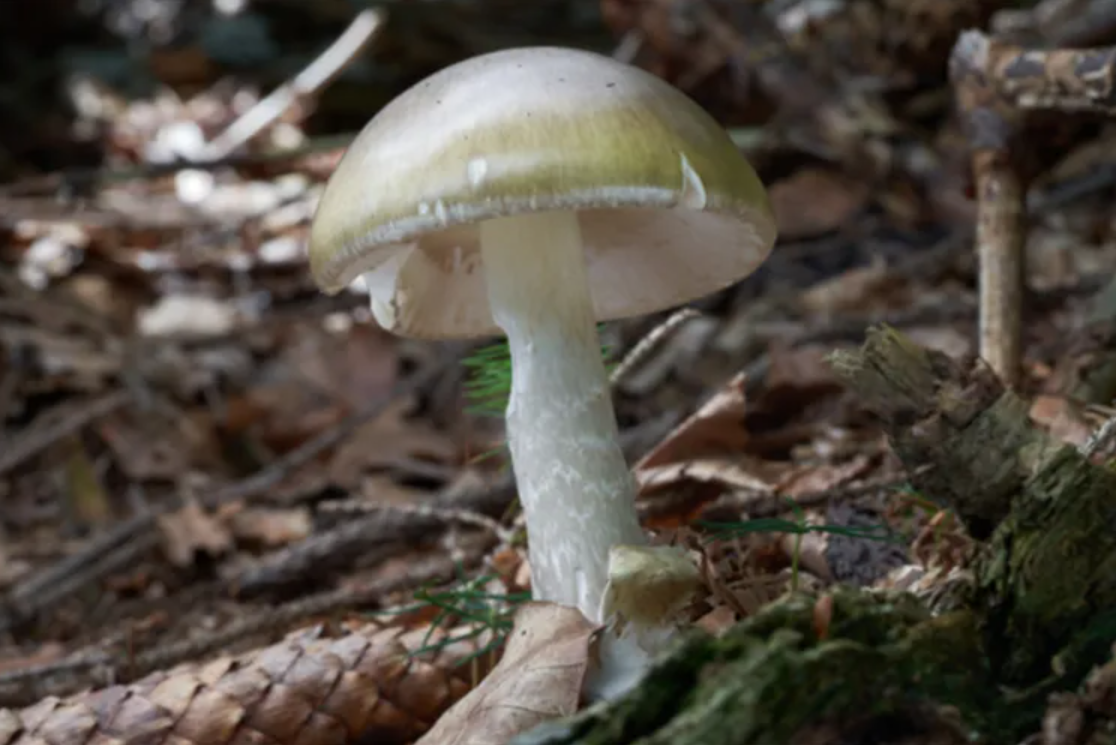
The California Department of Public Health (CDPH) said 21 cases of amatoxin poisoning have been identified since mid-November, involving both children and adults. The illnesses have been linked to the consumption of toxic wild mushrooms, most likely death cap mushrooms (Amanita phalloides).
According to the agency, multiple victims required intensive care treatment, and at least one person may need a liver transplant. One adult has died as a result of the poisoning.
“Death cap mushrooms contain potentially deadly toxins that can lead to liver failure,” said Dr. Erica Pan, director of the CDPH and California’s state public health officer. “Because these mushrooms can easily be mistaken for edible varieties, we advise the public not to forage for wild mushrooms at all during this high-risk season.”
While clusters of cases have been reported in the Monterey region and the San Francisco Bay Area, health officials warned that the risk exists across the state. On Dec. 1, the Monterey County Health Department reported a rise in hospital admissions linked to the ingestion of poisonous wild mushrooms.
Authorities cautioned that wild mushrooms — defined as those not grown by licensed commercial producers — are particularly dangerous because many toxic species closely resemble edible ones in appearance and taste. The CDPH stressed that cooking, boiling, drying or freezing poisonous mushrooms does not eliminate their toxins.
“Some poisonous wild mushrooms look and smell like safe, edible types,” said Dr. Edward Moreno, a health officer with Monterey County. “Only individuals with extensive training and experience should ever consider eating wild mushrooms they have harvested themselves.”
Symptoms of toxic mushroom ingestion typically appear six to 24 hours after consumption and include nausea, vomiting, diarrhea, abdominal pain and dehydration. While symptoms may temporarily subside, officials warned that serious or fatal liver failure can develop within two to four days.
Death cap mushrooms grow in several parts of California, particularly near hardwood trees. Fall and winter rains create ideal conditions for their spread, according to health authorities.
“Given the grave risks posed by consuming these toxic mushrooms,” the CDPH said, “the public is strongly advised to avoid foraging and to consume only mushrooms purchased from reputable commercial sources.”
Investigations into the outbreak are ongoing.
ALSO READ: Budget-Friendly Hotels Near JKIA, Nairobi: Top 10 Affordable Picks
About The Author